
Resistance soldering equipment is an advanced tool widely used in electronics manufacturing, precision repair, and assembly. Unlike traditional soldering irons or hot-air stations, resistance soldering creates heat directly at the joint by passing an electrical current through a conductive tip and the workpiece. This method produces fast, targeted heating, making it ideal for delicate or high-precision soldering tasks. It is especially beneficial in environments where accuracy, efficiency, and reduced thermal stress are quite important.
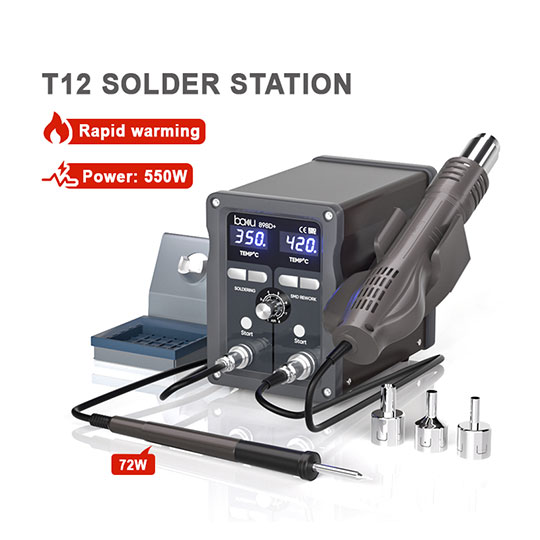
t12 hot air soldering station ba-898d
Resistance soldering equipment uses electrical resistance to generate heat exactly at the location where soldering is required. The system typically includes a power unit, a pair of conductive probes or electrodes, and a control mechanism for adjusting current and timing. When activated, the system sends a high current through the probes, creating fast localized heating due to electrical resistance. This allows the solder to melt quickly and cleanly, forming a strong joint without exposing surrounding components to unnecessary heat.
Resistance soldering offers several advantages over conventional soldering methods:
Localized Heating: The heating effect occurs only where the electrical current flows, so sensitive electronic components are not exposed to high temperatures.
Quick Response: The heat builds instantly when the current is activated and stops immediately when it is turned off. This provides exceptional control and minimizes the risks of overheating.
Energy Efficiency: Because only the joint is heated, resistance soldering consumes less energy compared to hot-air or thermal soldering methods.
Precision and Consistency: The ability to control heat delivery precisely makes resistance soldering ideal for microelectronics, fine-pitch components, and detailed repair work.
1. Current Flow: When the probes contact the workpiece, the system delivers an electrical current through the conductive path.
2. Resistive Heating: As the current flows through the tips, solder joint, and metal leads, the natural resistance of the materials generates heat.
3. Solder Melting: This localized heat melts the solder cleanly at the joint, allowing it to flow and create a strong, uniform connection.
4. Cooling: Once the current stops, the heat ends immediately. The solder solidifies quickly, reducing thermal stress and preventing damage to surrounding parts.
This immediate heat-on, heat-off behavior is one of the primary advantages of resistance soldering.
While traditional soldering irons and hot-air stations are widely used for electronics repair, resistance soldering provides several unique benefits:
Traditional rework stations remain essential for larger components or tasks requiring airflow, but resistance soldering excels in delicate, localized operations.
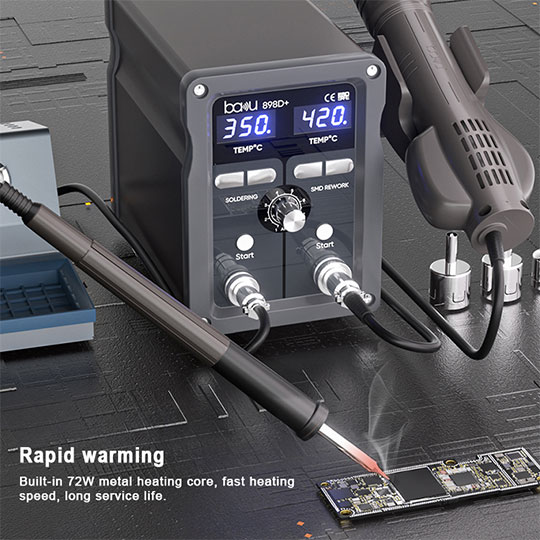
Resistance soldering is used across many industries and applications, including:
Its versatility makes resistance soldering a valuable tool for technicians, repair shops, and electronic manufacturing facilities.
Choose tips made from conductive, heat-resistant alloys to ensure efficient current transfer and durability.
Use the correct current level for the size and type of the joint to avoid excessive heating.
Good probe contact ensures consistent heat delivery and prevents arcing or uneven solder flow.
Even with localized heating, delicate components remain vulnerable to static discharge, so grounding procedures are essential.
Regular cleaning and inspection of tips, cables, and connectors helps ensure consistent performance and long equipment life.
Resistance soldering equipment offers a precise, efficient, and highly controlled method of soldering that greatly reduces thermal stress on components. By generating heat directly through electrical resistance, it provides fast heating, immediate cooling, and consistent results—qualities that are highly valued in electronics repair, manufacturing, and fine-detail work. Whether used for circuit board rework, microelectronics assembly, or high-precision production environments, resistance soldering stands out as a powerful and reliable solution.
Stereo Microscope Price Guide: What Affects the Cost?
Discover what affects the price of a stereo microscope, including magnification, optical quality, digital features, lighting systems, and build materials. Learn how to choose the right model for electronics repair and precision inspection.
Stereo Microscope Uses: From Science Labs to Electronics Repair
Discover the key applications of stereo microscopes in biology labs, education, micro-soldering, and PCB repair. Learn how 3D magnification improves precision for scientific research and electronics technicians.
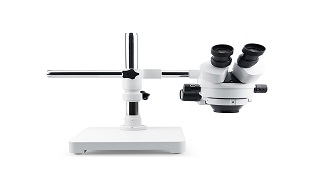
Best Stereo Microscope for PCB, Jewelry, and Laboratory Use
Discover the best stereo microscope for PCB repair, jewelry inspection, and laboratory research. Learn essential features, magnification tips, and top professional recommendations.
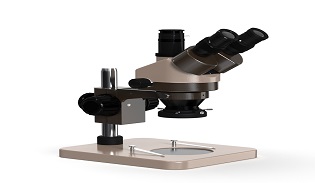
Industrial Stereo Microscope Applications in Electronics and Manufacturing
Discover how industrial stereo microscopes enhance precision in electronics, PCB inspection, micro-assembly, and manufacturing quality control. Learn key applications and benefits.
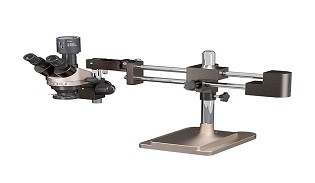
Compound vs Stereo Microscope: What’s the Difference?
Discover the main differences between compound and stereo microscopes, including magnification, applications, and working distance. Choose the right microscope for your needs.

What Is a Stereo Microscope? Key Features and Functions Explained
Learn what a stereo microscope is, how it works, key features, and its uses in electronics repair, manufacturing, and scientific inspection. A complete beginner-friendly guide.

STAY CONNECTED