
Digital microscopes have become essential tools in modern inspection, manufacturing, scientific research, and electronic repair. Unlike traditional microscopes that require users to look through eyepieces, a digital microscope allows you to view magnified images directly on a screen. This simple but powerful difference makes digital microscopes more comfortable, efficient, and versatile for both professionals and hobbyists.
In this article, we will explore what a digital microscope is, how it works, and why it has become a popular choice in precision work such as PCB inspection, soldering, and component analysis.
A digital microscope is an advanced imaging device that combines optical magnification with digital technology. Instead of using an eyepiece, it uses a built-in camera (often a high-resolution CCD or CMOS sensor) to capture the magnified image. The image is then displayed in real time on an integrated LCD screen or an external monitor.
This design makes digital microscopes easier on the eyes and more user-friendly, especially during long working sessions. Many models also support photo capture, video recording, HDMI output, and USB connectivity.
Digital microscopes are widely used in electronic repair, quality control, precision assembly, biology, education, and industrial production.
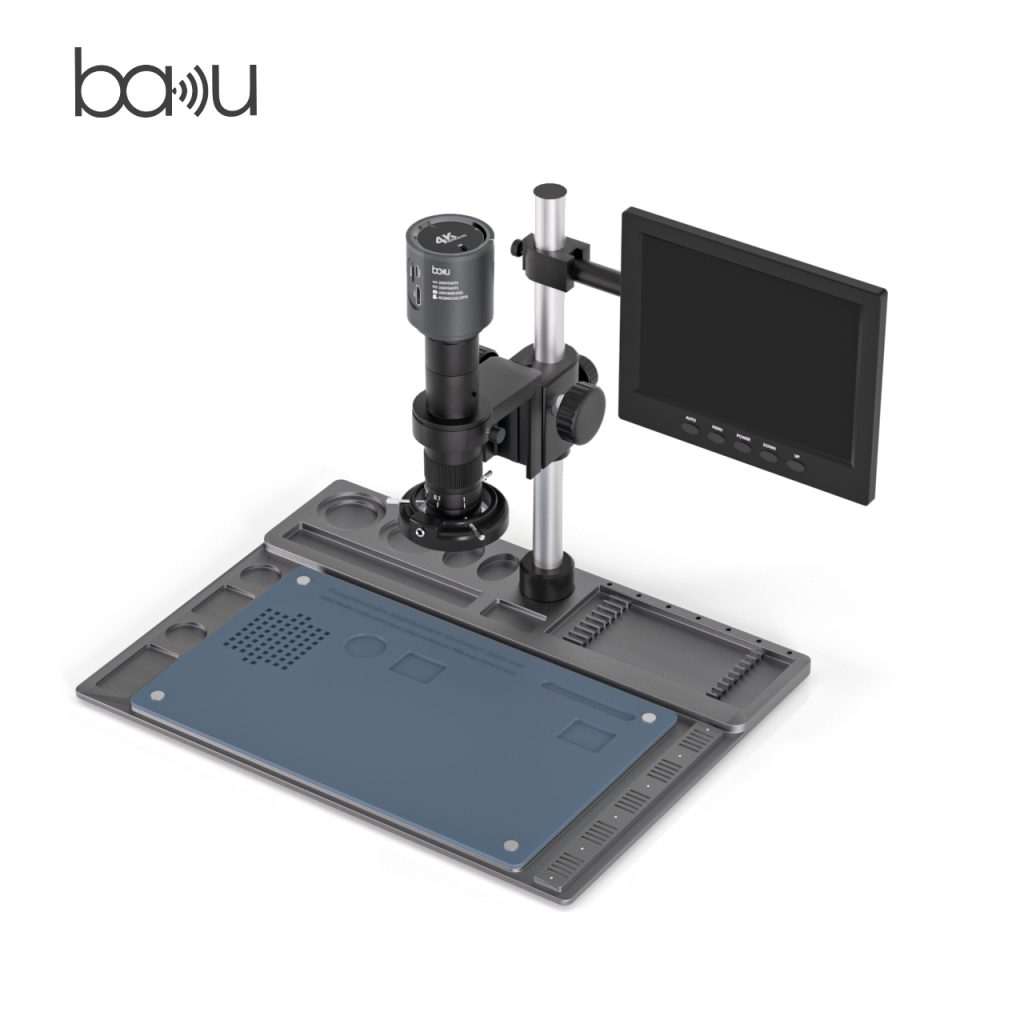
To understand how a digital microscope works, it’s helpful to look at the major components that make up the system:
An important part of every digital microscope is an imaging sensor. This sensor captures the optical image and converts it into a digital signal. High-resolution sensors help produce sharper, clearer visuals, which is extremely important when inspecting tiny solder joints or micro-components.
The optical lens system provides magnification. Different microscopes offer different zoom ranges—for example, 7×–45× for general inspection or up to 150× or 600× for high-precision analysis. Adjustable zoom mechanisms allow users to switch between wide-area viewing and fine-detail close-ups.
Instead of looking through an eyepiece, users view the magnified image directly on a built-in display. Some models also include HDMI ports for connecting to external monitors. This makes it easy to share the view with a team or work in a more ergonomic posture.
Proper lighting is essential for clear visibility. Most digital microscopes use LED ring lights or adjustable LED lamps. This helps eliminate shadows and show tiny details on circuit boards or metal surfaces.
A solid, stable base is key. It holds the microscope steady and reduces vibration, which is especially important at high magnification. High-quality digital microscopes usually include durable aluminum-alloy bases to ensure stable and reliable operation.
A digital microscope uses a simple but effective process to capture and display magnified images:
The optical lens enlarges the subject. Users can adjust the zoom to increase or decrease magnification depending on the required detail level.
Fine-tuning the focus ensures that the image is sharp. When working on small components—such as pins, connectors, or solder joints—precise focusing is essential.
LED lights brighten up the working area, making the camera capture clear, bright, and accurate images. Adjustable brightness helps prevent glare or overexposure.
The camera sensor captures the optical image and converts it into a digital format. The digital signal is then processed and sent to the screen in real time.
The final image appears on the display screen. Many digital microscopes allow users to save photos, record videos, or transfer images to a computer for analysis or documentation.
Digital microscopes deliver several benefits that make them ideal for electronics and precision work:
Users can sit upright and view a screen instead of bending over an eyepiece. This reduces neck and eye strain during long repair sessions.
With magnification up to 150×, 180×, or even 600×, digital microscopes reveal micro-details that are impossible to see with the naked eye. This is especially useful for solder inspection, micro-soldering, BGA repair, and circuit diagnostics.
HDMI or USB output allows technicians to monitor the process live on a larger screen. This helps improve accuracy and allows multiple people to observe the procedure simultaneously.
A strong metal base ensures the microscope remains steady, even at high magnification. This stability is essential when performing delicate repairs or working with very small components.
Technicians can capture images or videos to record defects, share findings with teams, or save visual evidence for quality control purposes.
Digital microscopes are used across many industries, including:
Their ability to deliver high-precision imaging makes them versatile tools for a wide range of tasks.
Digital microscopes combine optical magnification with modern digital imaging to provide a powerful, user-friendly inspection solution. They offer clear visualization, comfortable operation, reliable magnification, and convenient documentation capabilities. For professionals in electronics repair, manufacturing, and precision industries, a high-quality digital microscope can greatly improve accuracy, efficiency, and overall workflow.
Stereo Microscope Price Guide: What Affects the Cost?
Discover what affects the price of a stereo microscope, including magnification, optical quality, digital features, lighting systems, and build materials. Learn how to choose the right model for electronics repair and precision inspection.
Stereo Microscope Uses: From Science Labs to Electronics Repair
Discover the key applications of stereo microscopes in biology labs, education, micro-soldering, and PCB repair. Learn how 3D magnification improves precision for scientific research and electronics technicians.
Best Stereo Microscope for PCB, Jewelry, and Laboratory Use
Discover the best stereo microscope for PCB repair, jewelry inspection, and laboratory research. Learn essential features, magnification tips, and top professional recommendations.
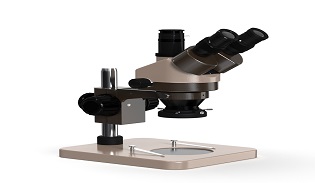
Industrial Stereo Microscope Applications in Electronics and Manufacturing
Discover how industrial stereo microscopes enhance precision in electronics, PCB inspection, micro-assembly, and manufacturing quality control. Learn key applications and benefits.
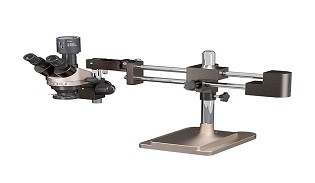
Compound vs Stereo Microscope: What’s the Difference?
Discover the main differences between compound and stereo microscopes, including magnification, applications, and working distance. Choose the right microscope for your needs.
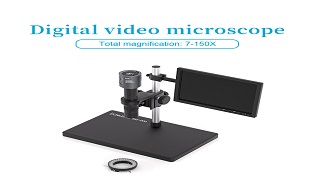
What Is a Stereo Microscope? Key Features and Functions Explained
Learn what a stereo microscope is, how it works, key features, and its uses in electronics repair, manufacturing, and scientific inspection. A complete beginner-friendly guide.

STAY CONNECTED