
Stereo microscopes are essential tools across many industries, offering clear, three-dimensional visualization for tasks that require precision and attention to detail. From biological research to high-precision electronics repair, these microscopes provide depth perception, wide working distance, and versatile magnification that make them indispensable. This article explores the primary uses of stereo microscopes and why they have become a standard instrument in both scientific and technical fields.
A stereo microscope, also known as a dissecting microscope, uses two separate optical paths to create a 3D visual effect. Unlike high-magnification compound microscopes designed for thin biological samples, stereo microscopes provide lower magnification but wider fields of view and greater working distance. This makes them ideal for observing solid objects, manipulating small components, and performing hands-on micro-tasks with accuracy and comfort.
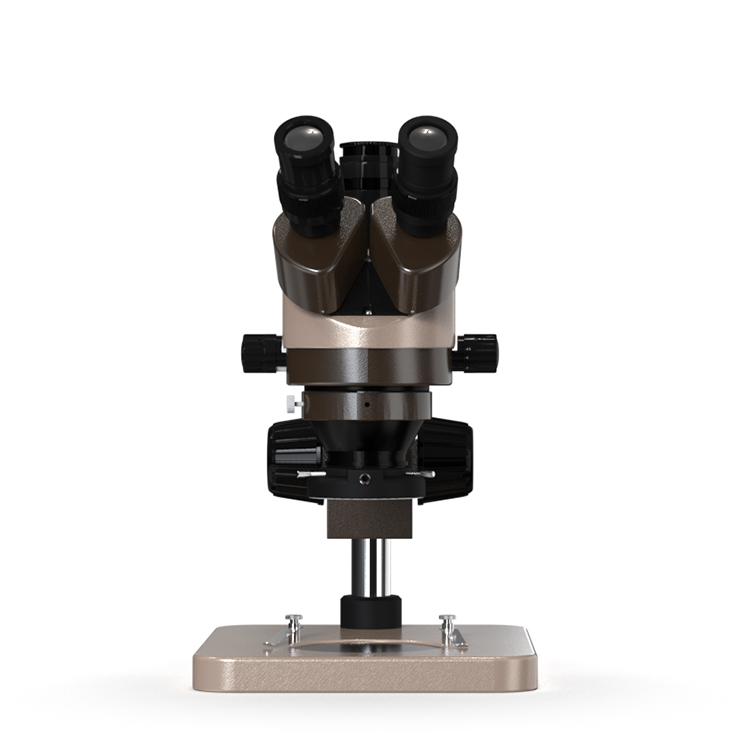
In scientific laboratories, stereo microscopes are widely used for biological studies, dissections, and anatomical examinations. Their three-dimensional imaging helps researchers explore complex structures such as plant tissues, insects, and embryonic samples. The extended working distance allows scientists to use tools like forceps, scissors, and scalpels while still maintaining a clear view of the specimen.
Stereo microscopes are also essential in sample preparation. Lab technicians frequently use them to mount specimens on slides, sort tiny organisms, or manipulate delicate materials. The ability to see depth clearly helps avoid damaging samples during preparation, which is especially important for research requiring precision and repeatability.
Because they are easy to operate and durable, stereo microscopes are frequently used in educational environments. Schools, universities, and training labs rely on them to help students understand biological morphology and gain hands-on experience with real-world scientific tools. Their intuitive design allows learners to explore details in a highly visual and engaging way.
In electronics repair, stereo microscopes have become standard equipment for technicians working on printed circuit boards (PCBs). Modern electronics often contain extremely small components, microchips, and densely packed circuits. Stereo microscopes allow technicians to inspect solder joints, identify faults, and perform micro-soldering with greater accuracy.
Stereo microscopes are used to detect cracks, weak solder points, bridging, component displacement, and other microscopic issues that cannot be seen with the naked eye. The clear depth perception helps technicians evaluate multiple layers of a PCB and make precise adjustments without causing accidental damage.
Many contemporary stereo microscopes integrate digital displays or camera systems, allowing users to view magnified images on screens instead of eyepieces. This can reduce strain during long repair sessions and allows for group observation, training, or documentation. High-definition imaging enhances clarity, making small components easier to analyze and repair.
Repair environments require tools that remain stable during detailed work. High-quality stereo microscopes often feature adjustable metal stands and vibration-resistant bases. This stability is key during operations such as reballing, micro-component placement, and precision soldering, where even slight movement can compromise results.
The appropriate magnification depends on your application. Low magnification works well for general inspection, while higher magnification is necessary for micro-soldering, IC repair, or fault detection. A wide zoom range allows users to switch between detailed tasks and broader views efficiently.
Some stereo microscopes come with traditional eyepieces, while others include digital screens. Digital options offer ergonomic comfort and allow for easier collaboration or recording. Eyepiece models may provide a more natural 3D viewing experience, so the best choice depends on personal preference and workflow needs.
Good lighting is essential for microscopy work. Many stereo microscopes include LED ring lights or adjustable illumination systems that enhance clarity and reduce shadows. Flexible arms, sturdy bases, and interchangeable lenses are also common features that improve usability and precision.
Stereo microscopes play a critical role across multiple industries. In scientific research, they allow for detailed observation, dissection, and sample preparation. In electronics repair, they enable technicians to perform high-precision soldering, inspect PCBs, and diagnose microscopic faults with confidence. With advancements in digital imaging, lighting, and ergonomic design, modern stereo microscopes offer both clarity and usability that greatly improve productivity.
Whether you work in a laboratory, a repair center, or an educational institution, choosing the right stereo microscope can enhance the accuracy and efficiency of your work. If you need help making a microscope choice for your specific application, feel free to ask!
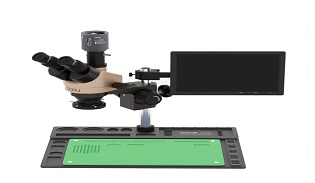
Stereo Microscope Price Guide: What Affects the Cost?
Discover what affects the price of a stereo microscope, including magnification, optical quality, digital features, lighting systems, and build materials. Learn how to choose the right model for electronics repair and precision inspection.
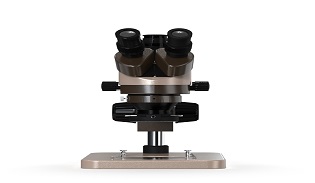
Stereo Microscope Uses: From Science Labs to Electronics Repair
Discover the key applications of stereo microscopes in biology labs, education, micro-soldering, and PCB repair. Learn how 3D magnification improves precision for scientific research and electronics technicians.
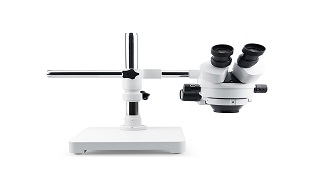
Best Stereo Microscope for PCB, Jewelry, and Laboratory Use
Discover the best stereo microscope for PCB repair, jewelry inspection, and laboratory research. Learn essential features, magnification tips, and top professional recommendations.
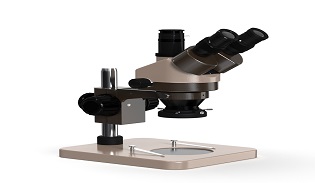
Industrial Stereo Microscope Applications in Electronics and Manufacturing
Discover how industrial stereo microscopes enhance precision in electronics, PCB inspection, micro-assembly, and manufacturing quality control. Learn key applications and benefits.
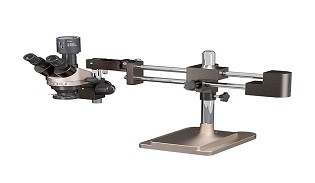
Compound vs Stereo Microscope: What’s the Difference?
Discover the main differences between compound and stereo microscopes, including magnification, applications, and working distance. Choose the right microscope for your needs.
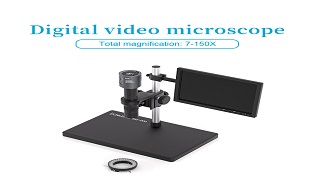
What Is a Stereo Microscope? Key Features and Functions Explained
Learn what a stereo microscope is, how it works, key features, and its uses in electronics repair, manufacturing, and scientific inspection. A complete beginner-friendly guide.

STAY CONNECTED