
When choosing a stereo microscope—especially for electronics repair, precision soldering, or circuit board inspection—you will quickly notice that prices vary widely. Some models are highly affordable while others cost several times more. Understanding what drives these differences can help you make smarter purchasing decisions and select the right microscope for your professional needs.
This guide explains the main factors that influence the price of a stereo microscope, based on common features, industry standards, and typical configurations used in electronic repair environments.
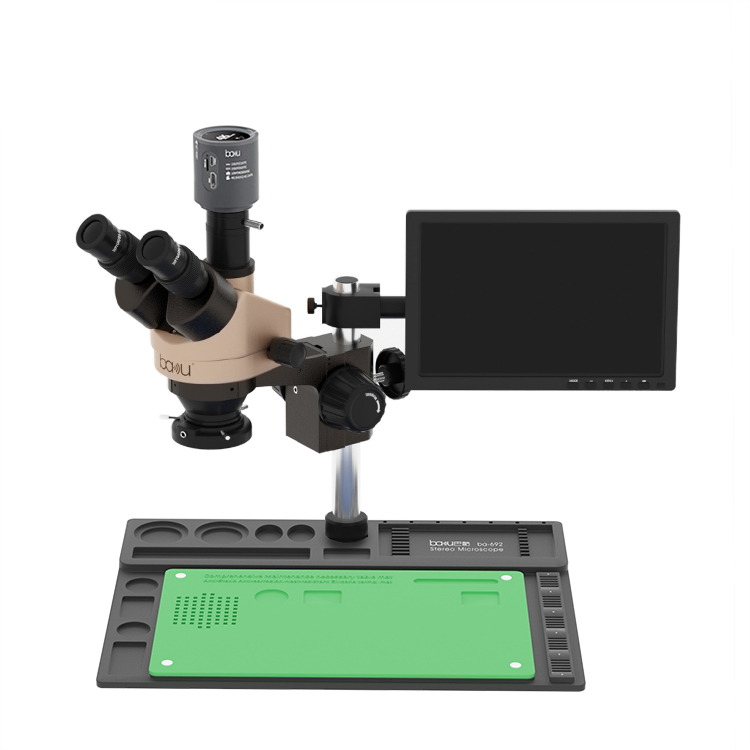
The magnification range is one of the biggest contributors to a microscope’s cost. Higher magnification systems require more refined lenses, tighter tolerances, and a more advanced optical path. For example, microscopes offering ranges such as 7–150× typically use precision-grade optical glass and mechanical zoom systems that are more complex to manufacture.
In contrast, basic stereo microscopes often provide a 7–45× range using simpler optical structures. For tasks like general circuit board inspection or basic soldering, lower magnification might be enough. However, if your work involves micro-soldering, SMD components, BGA repairs, or identifying micro-cracks, higher magnification becomes necessary—and naturally increases the price.
Optical clarity also plays a major role. Premium lenses with better coatings, improved light transmission, and reduced distortion cost more to produce, resulting in clearer, sharper, and more accurate imaging.
Another important cost factor is whether the microscope is purely optical or incorporates digital technology. Digital or video microscopes add several components beyond traditional optics, including a sensor, display, internal processor, or output ports.
Digital stereo microscopes
These typically include one or more of the following:
These added components drive up production costs. Digital models are ideal for teaching, training, documentation, and long working sessions because they reduce eye strain and allow users to view the inspection on a screen.
Optical binocular and trinocular microscopes
Binocular stereo microscopes remain popular for hands-on work because they offer natural 3D depth perception. Trinocular models add a third port for attaching a camera, combining the benefits of live viewing and video capture. This additional hardware also raises the price.
The durability and stability of the microscope strongly affect its cost. Industrial-grade units use stronger metals, precision-machined components, and stable bases to ensure steady imaging—especially at high magnifications.
Higher-end models typically feature:
Smooth mechanical operation is essential for maintaining focus and avoiding jitter during repair work. Professional technicians often prefer more durable constructions even if they come at a higher cost, as they provide long-term stability and reduce the frequency of maintenance.
Lighting quality also contributes remarkably to the total price of a stereo microscope. Proper illumination is important when working with tiny components, reflective surfaces, and fine solder joints.
Higher-end microscopes may offer:
Lighting systems that minimize glare and provide even illumination across the working area require better engineering and higher-quality components, increasing the overall cost. For accurate inspection—especially in electronics repair—good lighting is often worth the additional investment.
Advanced features can also add to the price. These may include:
Digital microscopes with built-in displays, larger screens, or internal storage usually cost more because of the additional electronics. Likewise, adjustable stands or articulating arms add mechanical complexity and material cost.
Not all stereo microscopes are designed for the same purpose. Brands focusing on electronics repair, microscope manufacturing, or industrial inspection tend to build models that prioritize:
This specialization can influence pricing. A microscope designed for PCB repair will typically cost more than a simple educational model, but still less than a laboratory-grade biological microscope. Professional-grade microscopes for repair technicians occupy a unique middle ground—offering advanced features at a practical price point.
Finally, practical considerations such as shipping weight, materials, and after-sales service also affect the price. Metal stands and bases add weight, which increases transportation costs. Import duties and local warehousing may also influence final retail pricing.
Reliable brands usually include better after-sales support, spare parts availability, calibration guidance, or warranty coverage—all of which contribute to overall cost but provide long-term value.
The price of a stereo microscope depends on many elements—optics, magnification range, digital features, build quality, lighting system, and brand positioning. Whether you need an optical stereo microscope for soldering or a digital model for inspection and documentation, understanding these factors helps ensure you choose the right tool for your work.
Investing in a microscope with the right combination of features can greatly enhance your precision, efficiency, and comfort—making it a valuable long-term asset in any electronics repair or inspection workspace.
Stereo Microscope Price Guide: What Affects the Cost?
Discover what affects the price of a stereo microscope, including magnification, optical quality, digital features, lighting systems, and build materials. Learn how to choose the right model for electronics repair and precision inspection.
Stereo Microscope Uses: From Science Labs to Electronics Repair
Discover the key applications of stereo microscopes in biology labs, education, micro-soldering, and PCB repair. Learn how 3D magnification improves precision for scientific research and electronics technicians.
Best Stereo Microscope for PCB, Jewelry, and Laboratory Use
Discover the best stereo microscope for PCB repair, jewelry inspection, and laboratory research. Learn essential features, magnification tips, and top professional recommendations.
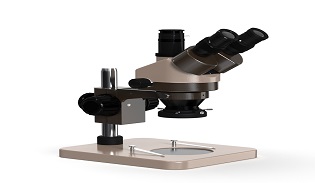
Industrial Stereo Microscope Applications in Electronics and Manufacturing
Discover how industrial stereo microscopes enhance precision in electronics, PCB inspection, micro-assembly, and manufacturing quality control. Learn key applications and benefits.
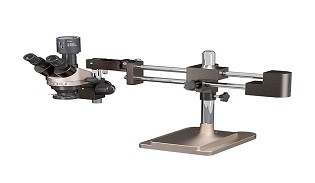
Compound vs Stereo Microscope: What’s the Difference?
Discover the main differences between compound and stereo microscopes, including magnification, applications, and working distance. Choose the right microscope for your needs.
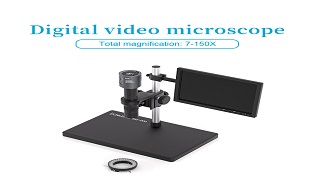
What Is a Stereo Microscope? Key Features and Functions Explained
Learn what a stereo microscope is, how it works, key features, and its uses in electronics repair, manufacturing, and scientific inspection. A complete beginner-friendly guide.

STAY CONNECTED