
In the modern field of consumer electronics, repair technicians face increasingly compact, sophisticated, and delicate devices. From smartphones and tablets to laptops, gaming consoles, and smart home systems, working with electronics requires precision and the right set of professional-grade tools. A well-built electronics repair tool kit not only enhances efficiency but also ensures safe and accurate repairs.
This guide breaks down the essential components of a professional tool kit, explains why they matter, and presents the types of tools trusted by experienced electronics technicians around the world.
Repairing electronics is very different from general hardware repair. Electronic components are smaller, more heat-sensitive, and often assembled in tightly packed layouts. A professional tool kit ensures technicians can:
A proper tool kit is not only convenient—it is foundational to professional-level repair.
Below are the tools considered essential in most professional technician setups. These tools are commonly used in repair shops, service centers, and by independent engineers.
A digital multimeter is one of the most important diagnostic tools for any technician. It allows you to measure voltage, current, resistance, continuity, diode status, and more. High-accuracy multimeters help detect faults such as short circuits, power failures, or irregular voltage behavior. Without a reliable multimeter, diagnosing advanced electronic issues becomes nearly impossible.
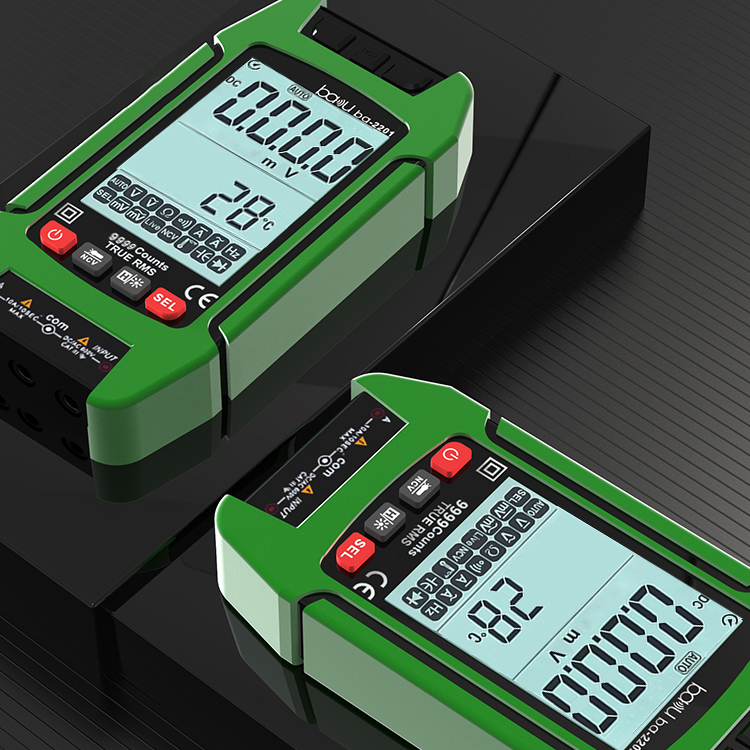
Intelligent Digital Multimeter BA-2202
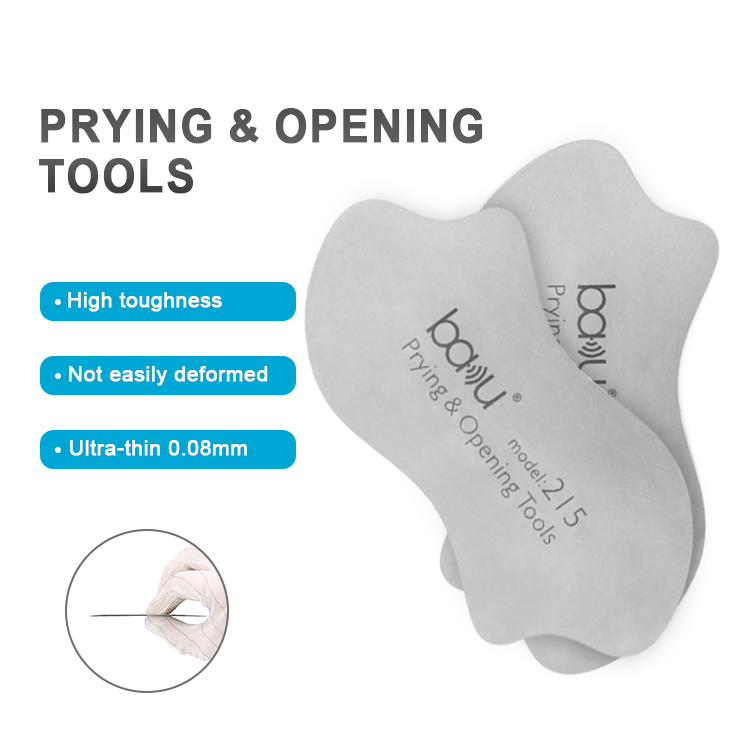
Modern electronics—especially smartphones and tablets—use adhesive, hidden clips, and delicate casings. Plastic and nylon prying tools help open devices without scratching, bending, or cracking the shell. They are essential for safely separating screens, back covers, and inner modules. Compared with metal tools, anti-scratch pry tools reduce risk and help maintain the device’s appearance during repair.
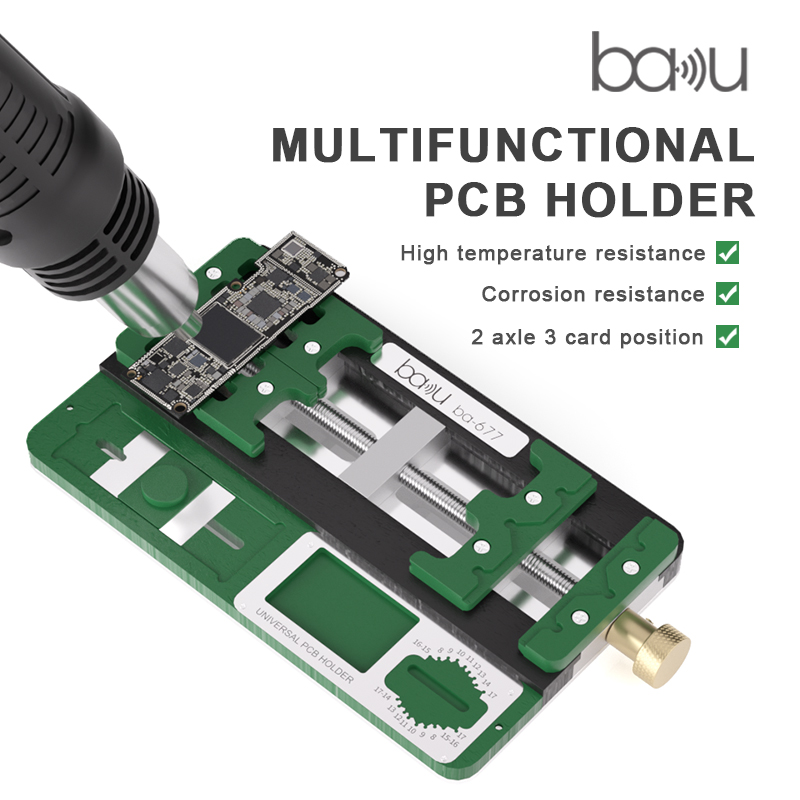
When working on printed circuit boards, stability is important. A PCB holder keeps the board firmly in place, preventing accidental movement while soldering or inspecting components. By securing the board at the proper angle, technicians can work with greater accuracy and safety. PCB holders also free both hands, making tasks such as reflow soldering or micro-component replacement much easier.
Precision cutting pliers are used for trimming wires, removing leads, and cutting excess material on boards. High-hardness blades ensure a clean, smooth cut without crushing the wire. Technicians often choose pliers with ergonomic, non-slip handles to reduce hand fatigue during long repair sessions. Proper cutting tools help maintain clean workspaces and prevent accidental damage to neighboring components.

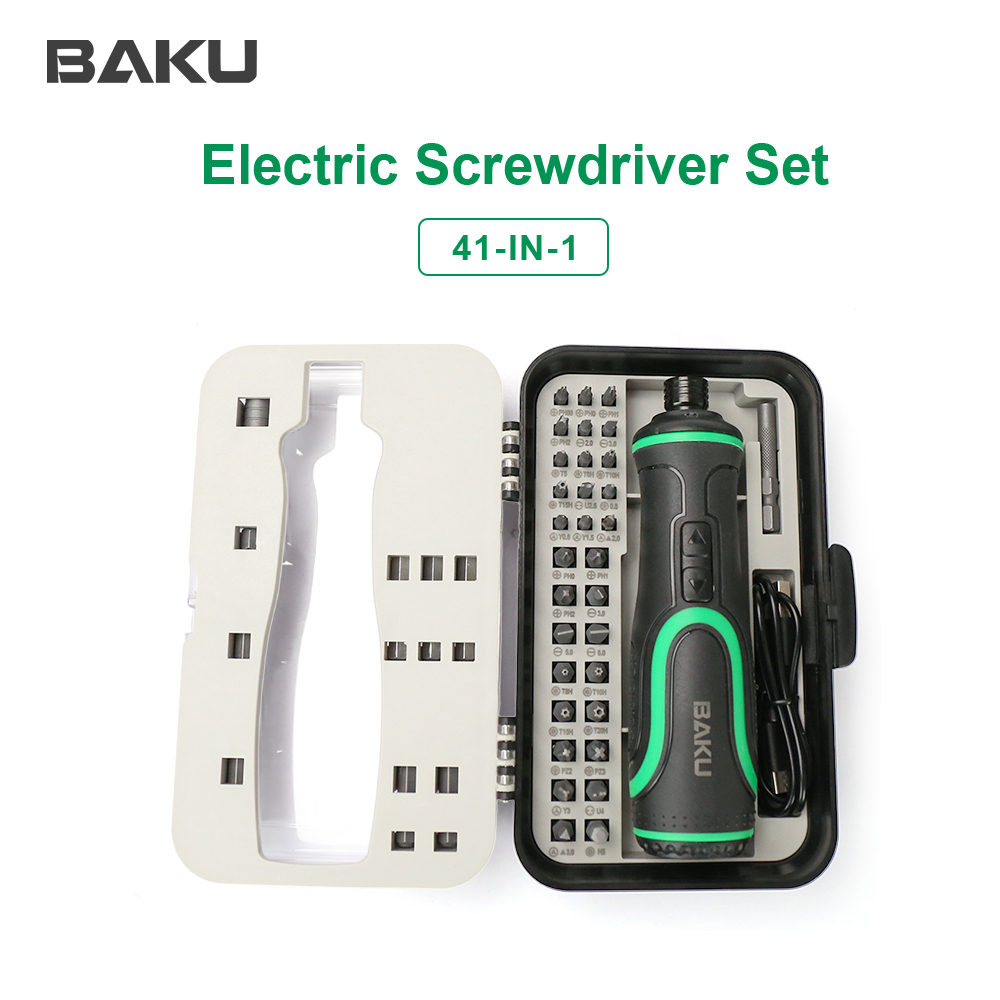
Most electronic devices rely on tiny screws in specialized shapes—Torx, pentalobe, Phillips, tri-wing, and more. A high-quality precision screwdriver set includes a variety of bits made from durable materials such as S2 steel. These screwdrivers provide excellent grip, stability, and torque, making it easier to remove and install micro-screws without stripping or slipping. For technicians, this is one of the most frequently used tools in any repair project.
Tweezers are indispensable when handling small components like resistors, capacitors, IC chips, or connectors. Anti-static, corrosion-resistant, and heat-resistant tweezers are ideal for electronic work. Various tip shapes—straight, curved, fine, or angled—allow technicians to reach narrow areas and grip components securely. High-precision tweezers are essential for tasks like micro-soldering and component alignment.

A silicone soldering mat provides a safe, organized, and heat-resistant surface for repair work. These mats protect desktops from heat damage, prevent small parts from sliding away, and offer compartments for screws and components. Anti-static properties make them especially suitable for sensitive electronic devices. A soldering mat helps technicians maintain an efficient and clean workspace.
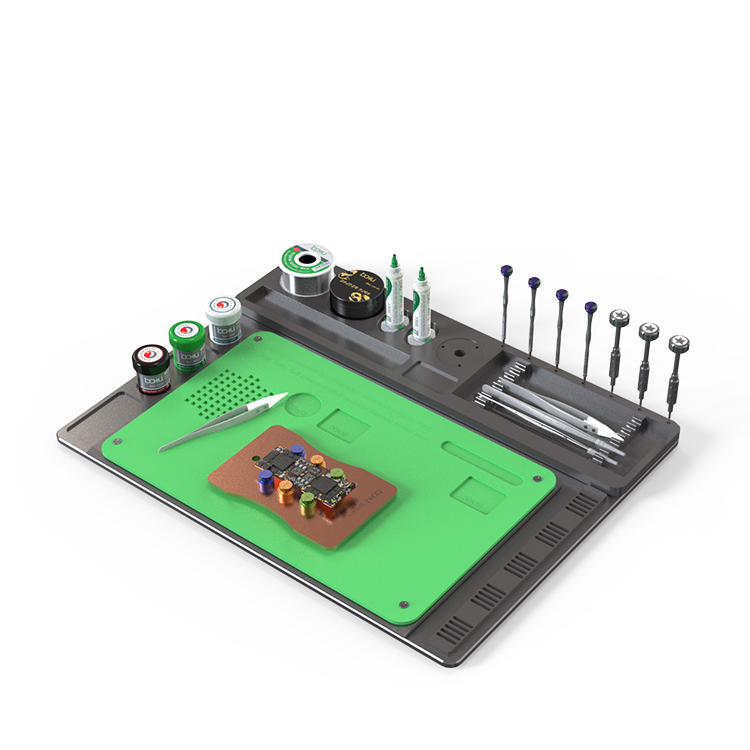
Beyond the basic kit, professional technicians often expand their toolsets with more specialized equipment:
Reliable soldering stations with precise temperature control are essential for working with tiny components. Hot-air guns assist in removing and reflowing SMD parts, repairing loose connectors, or working on BGA chips.
Comprehensive kits may include flux, UV-curable solder ink, scrapers, magnifying lamps, reballing tools, and other accessories used for advanced board-level repair.
Electric precision screwdrivers improve speed and consistency, especially for high-volume repair environments.
To ensure long-term reliability and top performance, technicians should follow these practices:
A professional electronics repair tool kit is essential for anyone working with modern electronic devices. With the right tools—multimeters, screwdrivers, tweezers, soldering stations, and more—technicians can diagnose issues accurately, work safely, and perform high-quality repairs. Investing in a complete, reliable tool kit not only improves repair efficiency but also enhances the lifetime value of your equipment and boosts customer satisfaction.
Whether you are building your first tool kit or upgrading to advanced tools, focusing on precision and quality will always deliver the best results in the area of electronics repair.
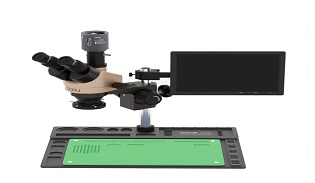
Stereo Microscope Price Guide: What Affects the Cost?
Discover what affects the price of a stereo microscope, including magnification, optical quality, digital features, lighting systems, and build materials. Learn how to choose the right model for electronics repair and precision inspection.
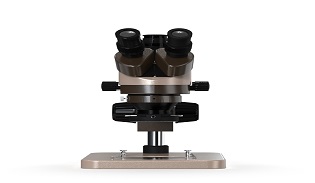
Stereo Microscope Uses: From Science Labs to Electronics Repair
Discover the key applications of stereo microscopes in biology labs, education, micro-soldering, and PCB repair. Learn how 3D magnification improves precision for scientific research and electronics technicians.
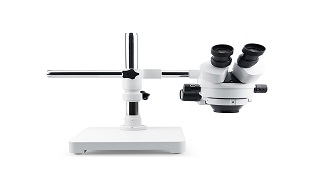
Best Stereo Microscope for PCB, Jewelry, and Laboratory Use
Discover the best stereo microscope for PCB repair, jewelry inspection, and laboratory research. Learn essential features, magnification tips, and top professional recommendations.
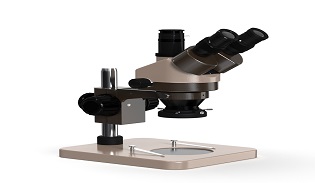
Industrial Stereo Microscope Applications in Electronics and Manufacturing
Discover how industrial stereo microscopes enhance precision in electronics, PCB inspection, micro-assembly, and manufacturing quality control. Learn key applications and benefits.
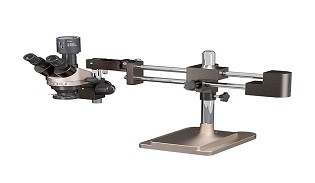
Compound vs Stereo Microscope: What’s the Difference?
Discover the main differences between compound and stereo microscopes, including magnification, applications, and working distance. Choose the right microscope for your needs.
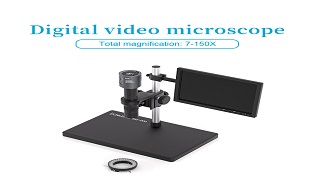
What Is a Stereo Microscope? Key Features and Functions Explained
Learn what a stereo microscope is, how it works, key features, and its uses in electronics repair, manufacturing, and scientific inspection. A complete beginner-friendly guide.

STAY CONNECTED