
As modern electronics continue to evolve, the demand for safer, more precise, and more efficient soldering methods grows alongside them. Low temperature soldering has emerged as one of the most important innovations in electronics assembly and repair, offering significant advantages over traditional high-temperature processes. From protecting delicate components to improving workflow efficiency, low temperature soldering equipment is transforming how technicians and manufacturers approach sensitive or heat-vulnerable devices. At Baku, we have closely followed this technical shift and developed tools optimized for controlled, low-heat applications across various repair and production fields.
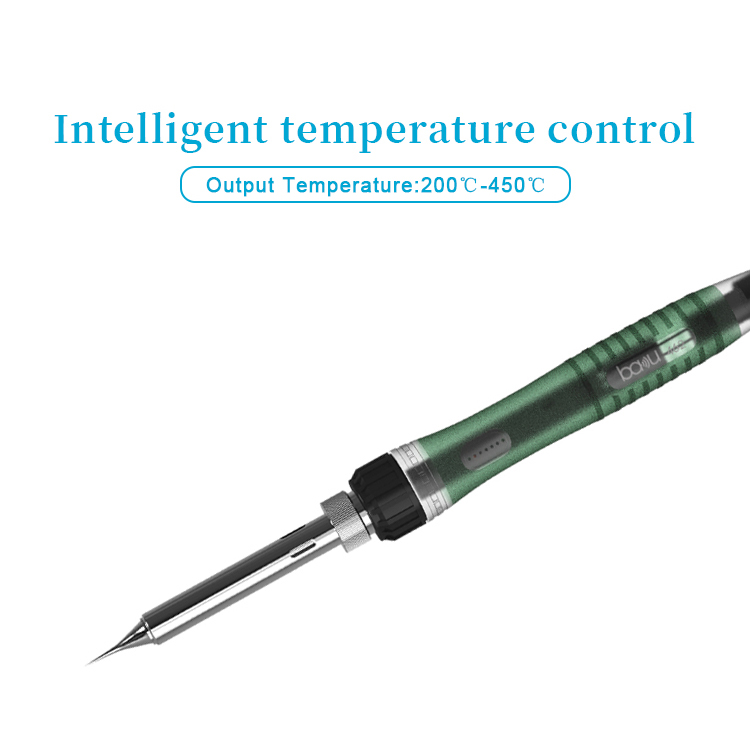
30W Adjustable Temperature Soldering Iron BA-462
Low temperature soldering refers to the use of solder alloys that melt at significantly lower temperatures than conventional tin-lead or lead-free solders. While traditional solders often require temperatures of 250–350°C, low temperature alloys can melt in the range of 130–180°C depending on their formulation. This reduction in heat allows users to solder sensitive components without exposing them to the stresses associated with high thermal loads.
To achieve stable results, dedicated low temperature soldering equipment — including irons, rework stations, and controlled heat guns — must be capable of accurate temperature regulation. Companies like Baku, with their precision-focused soldering solutions, support this shift by offering equipment designed for tightly regulated thermal performance.
Sensitive electronic components, especially those used in mobile phones, wearables, Internet of Things (IoT) devices, and micro-sensors, are increasingly vulnerable to heat. Excessive temperatures can cause warped PCBs, lifted pads, and damaged internal circuitry. Low temperature soldering minimizes thermal stress, protecting both components and the surrounding board.
Baku’s soldering irons and stations, known for their precise temperature control, help technicians maintain consistent low levels of heat — reducing the likelihood of overheating during delicate repair tasks.
Many modern devices incorporate heat-sensitive plastics, adhesives, or composite materials. Traditional soldering temperatures can deform or melt these materials, complicating repair or assembly. Low-temp soldering equipment ensures these materials remain unharmed, preserving both structural integrity and aesthetics of the device.
Lower operating temperatures naturally translate to reduced energy consumption. For repair shops, training centers, or production lines running multiple stations, switching to low temperature soldering equipment can significantly cut energy costs over time.
High temperatures increase the risk of burns, splatter, or accidental thermal contact. Lower temperature irons reduce these hazards, creating a safer workspace — an important factor for technicians working long hours or performing repetitive tasks. Coupled with built-in safety features found in Baku stations, such as overheat protection and temperature locking, the working environment becomes not only safer but more controlled.
Low temperature solder generally wets surfaces more easily at lower heat, allowing technicians to achieve cleaner joints with less oxidation. This results in more reliable connections and less rework. Because the equipment runs cooler, tips and heating elements also experience less wear, extending tool lifespan.
Smartphones, tablets, and wearables often use compact components and multilayer PCBs that are extremely sensitive to heat. Low temperature soldering is ideal for tasks such as:
Technicians using precision equipment, such as those in the Baku soldering and rework range, can safely handle these miniature components without risking damage.
LED chips and strip lights degrade rapidly when exposed to excessive heat. Low-temp soldering ensures:
This makes it an excellent choice for LED manufacturers and repair technicians.
Engineers developing early-stage prototypes often work with fragile components or experimental materials. Low temperature soldering enables fast, safe assembly and rework — without damaging the early prototypes that are often irreplaceable. Baku’s controlled soldering stations allow engineers to quickly adjust temperatures to match low-melt solders during rapid iteration cycles.
Devices with integrated plastic frames — such as toys, small appliances, remote controls, and car electronics — can easily deform under high heat. Low temperature soldering prevents melting or warping, enabling technicians to restore such devices without compromising structural parts.
Industries such as aviation, automotive electronics, robotics, and medical devices increasingly incorporate sensors and modules that cannot withstand high temperatures. Low temperature soldering provides a safe method for bonding connectors, cables, and delicate modules without causing stress fractures or heat damage.
As electronics become more compact and thermally sensitive, Baku’s approach emphasizes precision and safety. Our soldering irons and stations are engineered to support consistent, low-heat performance through:
Whether you’re doing everyday repairs or specialized low-temperature applications, Baku equipment ensures you achieve clean, reliable solder joints with maximum component protection.
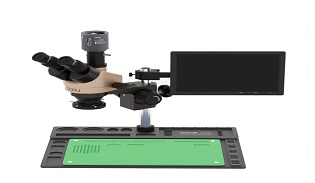
Stereo Microscope Price Guide: What Affects the Cost?
Discover what affects the price of a stereo microscope, including magnification, optical quality, digital features, lighting systems, and build materials. Learn how to choose the right model for electronics repair and precision inspection.
Stereo Microscope Uses: From Science Labs to Electronics Repair
Discover the key applications of stereo microscopes in biology labs, education, micro-soldering, and PCB repair. Learn how 3D magnification improves precision for scientific research and electronics technicians.
Best Stereo Microscope for PCB, Jewelry, and Laboratory Use
Discover the best stereo microscope for PCB repair, jewelry inspection, and laboratory research. Learn essential features, magnification tips, and top professional recommendations.
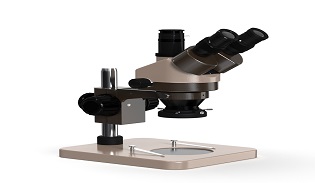
Industrial Stereo Microscope Applications in Electronics and Manufacturing
Discover how industrial stereo microscopes enhance precision in electronics, PCB inspection, micro-assembly, and manufacturing quality control. Learn key applications and benefits.
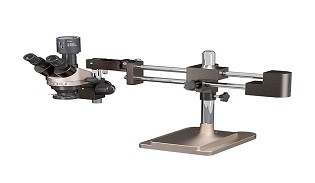
Compound vs Stereo Microscope: What’s the Difference?
Discover the main differences between compound and stereo microscopes, including magnification, applications, and working distance. Choose the right microscope for your needs.
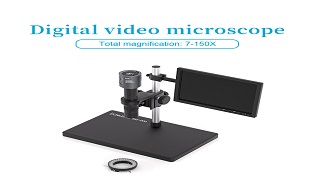
What Is a Stereo Microscope? Key Features and Functions Explained
Learn what a stereo microscope is, how it works, key features, and its uses in electronics repair, manufacturing, and scientific inspection. A complete beginner-friendly guide.

STAY CONNECTED