
High-volume electronics manufacturing relies on processes that are fast, precise, and repeatable. Among these processes, soldering is one of the most critical steps. Whether assembling consumer electronics, automotive modules, communication boards, or industrial control systems, the quality of solder joints directly affects long-term product reliability. Industrial soldering equipment plays a key role in ensuring consistency, reducing defects, and supporting continuous production. This article explores the essential features of industrial soldering systems and how advanced rework and soldering stations enhance performance in large-scale production environments.
In high-volume production lines, soldering is not simply a manual task. It is a carefully controlled phase within a larger automated workflow. Errors in soldering can lead to high costs because faulty joints may cause device malfunction, field failures, or extensive rework.
Key needs in mass-production soldering include:
1. Temperature Accuracy and Stability
Industrial environments demand precise temperature control to avoid cold solder joints, overheating, or damage to sensitive components. Stable temperature output ensures repeatability across thousands of units.
2. High Heating Efficiency
Production lines cannot tolerate slow warm-up times or inconsistent heating. High-power heating systems ensure quick recovery times and smooth operation without delays.
3. Durability for Continuous Operation
Soldering tools must endure long hours of uninterrupted use. Stations with high-grade materials, reinforced components, and reliable power systems reduce downtime.
4. Built-In Safety Features
Overheat protection, auto-sleep modes, and intelligent temperature monitoring prevent damage and support safer working conditions for operators.
5. Serviceability and Ease of Maintenance
In mass production, time is money. Equipment designed with replaceable modules, easy tip changes, and clear system diagnostics reduces maintenance complexity and increases uptime.
Rework stations are essential tools in both assembly and post-assembly quality control. Modern rework equipment offers hot air soldering, precise temperature regulation, and adjustable airflow. These features allow technicians to remove, repair, or replace components—especially SMD and BGA parts—without damaging the PCB.
Industrial-grade rework stations typically include:
For production lines, stable heat distribution and fast temperature ramp-up remarkably improve workflow efficiency. Rework stations with long service life and reliable performance also help reduce rework costs and improve overall yield.
Many manufacturers benefit from 2-in-1 or 3-in-1 soldering stations, which combine multiple functions into a single compact system. These stations usually include a soldering iron, a hot air gun, and sometimes additional functions such as screen separation.
Their advantages in industrial environments include:
By integrating multiple capabilities, operators can perform soldering, de-soldering, and repair tasks with minimal interruptions, supporting higher throughput on busy production lines.
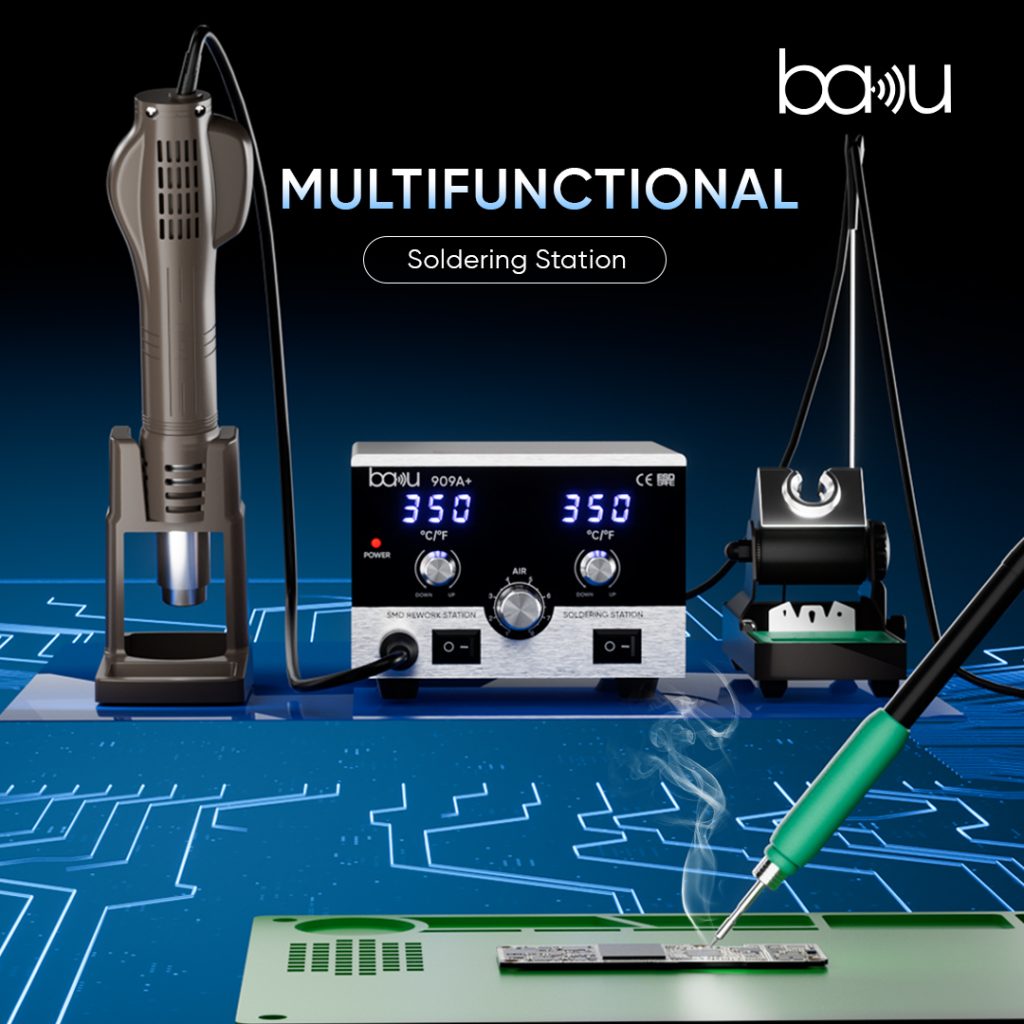
Besides rework stations, individual soldering irons also play an important role in assembly and repair processes. Industrial soldering irons are designed to heat rapidly, maintain stable temperatures, and operate safely under prolonged use. They often feature ceramic heating elements, intelligent control systems, and ergonomic handles to reduce operator fatigue.
In addition, many production lines now require lead-free soldering due to increasingly strict environmental regulations. Lead-free soldering demands higher temperatures and more stable heat control, making advanced soldering stations essential for consistent and compliant results.
Industrial soldering equipment is designed not only to perform precise operations but also to optimize overall production performance. Features such as PID temperature control, energy-efficient heating systems, and durable components help improve stability during continuous work.
Safety functions—such as auto-cooling systems, overload protection, and insulated handles—also support safer, more reliable production environments. By reducing equipment failure and operator error, manufacturers can greatly improve yield and reduce waste.
To get the most out of industrial soldering equipment, production planners should consider the following practices:
With proper planning, industrial soldering tools can deliver exceptional stability and cost savings across high-volume operations.
Industrial soldering equipment is a foundational element in modern electronics manufacturing. By offering precision, speed, durability, and safety, advanced rework stations and soldering systems enable manufacturers to support high-volume production while maintaining superior solder quality. As production demands increase, choosing professional-grade soldering tools becomes essential for achieving consistent performance, reducing defects, and ensuring long-term reliability.
Stereo Microscope Price Guide: What Affects the Cost?
Discover what affects the price of a stereo microscope, including magnification, optical quality, digital features, lighting systems, and build materials. Learn how to choose the right model for electronics repair and precision inspection.
Stereo Microscope Uses: From Science Labs to Electronics Repair
Discover the key applications of stereo microscopes in biology labs, education, micro-soldering, and PCB repair. Learn how 3D magnification improves precision for scientific research and electronics technicians.
Best Stereo Microscope for PCB, Jewelry, and Laboratory Use
Discover the best stereo microscope for PCB repair, jewelry inspection, and laboratory research. Learn essential features, magnification tips, and top professional recommendations.
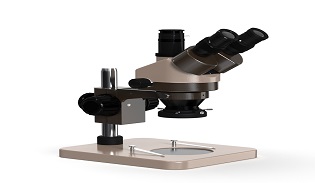
Industrial Stereo Microscope Applications in Electronics and Manufacturing
Discover how industrial stereo microscopes enhance precision in electronics, PCB inspection, micro-assembly, and manufacturing quality control. Learn key applications and benefits.
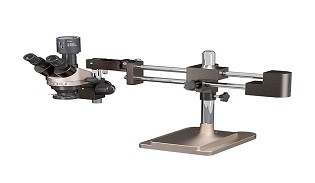
Compound vs Stereo Microscope: What’s the Difference?
Discover the main differences between compound and stereo microscopes, including magnification, applications, and working distance. Choose the right microscope for your needs.
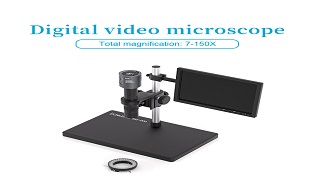
What Is a Stereo Microscope? Key Features and Functions Explained
Learn what a stereo microscope is, how it works, key features, and its uses in electronics repair, manufacturing, and scientific inspection. A complete beginner-friendly guide.

STAY CONNECTED