The Essential Guide to Soldering Kits for Beginners

November 25, 2024
Soldering Kits

Everything You Need To Know About Soldering Kits

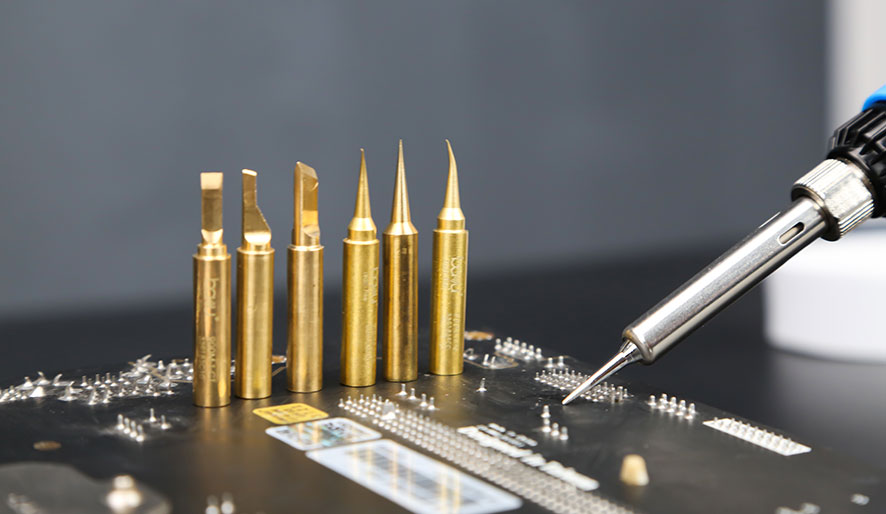
Welding kits are essential tools for electronics enthusiasts, diy enthusiasts and professionals. Whether you are building custom circuit boards, repairing small tools or creating jewelry, a comprehensive toolkit can simplify the process and ensure quality results. This guide explains what to look for in a welding kit, how to use it effectively, and maintenance tips.

Details Table

ToolPurposeRecommended Specs
Soldering IronMelts solder20W–60W (electronics), 60W–100W (metal)
Solder WireCreates joints0.6mm–1mm diameter, rosin-core (63/37 Sn/Pb)
FluxPrevents oxidationRosin-based (electronics) or water-soluble (metals)
Helping HandsHolds componentsAdjustable clamps with magnifier
Desoldering ToolFixes mistakesSpring-loaded pump or heated gun

Pro Tip: Baku’s Beginner Kit includes a practice PCB to hone skills risk-free.

What’s in a Basic Soldering Kit?

A quality soldering kit includes tools necessary for most projects:

  1. Soldering Iron: A temperature-controlled iron (20W–60W for electronics, higher for metals).
  2. Solder: Lead-free rosin-core solder (63/37 Sn/Pb alloy is versatile).
  3. Flux: Optional but useful for removing oxidation (rosin-based or water-soluble).
  4. Wire Cutters/Strippers: For trimming component leads.
  5. Solder Sponge: To clean the iron tip.
  6. Helping Hands/Clamp: Secures components during soldering.
  7. Desoldering Pump/Gun: For removing old solder.
  8. Safety Gear: Gloves, goggles, and a fire extinguisher (for high-heat projects).

Choosing The Right Soldering Kit

For Electronics (PCBs, Circuits)

  • Look for: Temperature-controlled iron (30W-50W), fine tip option, rosin core solder.
  • Recommended kit: Baku’s entry-level electronic kit includes 35W pencil iron, precision tweezers and anti-oxidation solder.

For Metalworking (Brass, Steel)

  • Look for: A higher-powered iron (60W–100W) and flux specifically designed for metals.
  • Recommended Kit: Baku’s Industrial Soldering Kit features a 72W T12 iron and heavy-duty desoldering tools.

For Beginners

  • Look for: All-in-one kits with step-by-step guides and safety features.
  • Recommended Kit: Baku’s Beginner’s Soldering Kit includes a 40W iron, basic tools, and a practice board.

How To Use a Soldering Kit ?

Step 1: Prepare the Workspace

  • Clean the work surface with alcohol to remove dust or debris.
  • Use a magnifier to inspect components for damage.

Step 2: Tin the Iron Tip

  • Apply a small amount of solder to the tip to ensure smooth heat transfer. Wipe excess solder with a damp sponge.

Step 3: Position Components

  • Use helping hands to secure the component in place. Align it with pads or holes on the circuit board.

Step 4: Soldering Technique

  • Heat First: Touch the iron tip to both the pad and the component lead for 1–2 seconds.
  • Apply Solder: Place the solder wire against the joint. The solder should melt and flow evenly.
  • Cool Completely: Let the solder solidify before moving the component.

Step 5: Clean Up

  • Wipe the tip with alcohol and store it on a stand.

Tips for Success

  1. Work Slowly: Rushing increases the risk of mistakes like cold joints.
  2. Use Quality Tools: Invest in a reliable iron and solder for consistent results.
  3. Practice on Scrap: Test your skills on scrap boards before working on final projects.
  4. Store Properly: Keep the kit in a dry, dust-free environment.

Common Mistakes to Avoid

  • Overheating: Damages components like capacitors or LEDs.
  • Cold Joints: Occur when the iron isn’t hot enough or the joint moves.
  • Poor Clamping: Causes misalignment and weak soldering.
  • Ignoring Safety: Failing to use gloves or goggles risks injury.

Maintenance & Longevity

  • Clean the Tip Daily: Oxidation reduces conductivity.
  • Replace Worn Parts: Check the iron’s tip, sponge, and desoldering pump regularly.
  • Avoid Cheap Alternatives: Low-quality solder or tools can shorten the kit’s lifespan.

When to Upgrade Your Kit

  • Handling Larger Projects: Move to a higher-powered iron or multi-tip station.
  • Precision Needs: Invest in a fine-tip iron for SMD components.
  • Industrial Work: Upgrade to a professional-grade kit with advanced temperature controls.

Conclusion

The welding kit is a multi-functional tool that can unleash creativity and problem-solving abilities. By choosing the right components, practicing appropriate techniques, and maintaining your tools, you will achieve professional-quality results in the coming years.

Need Expert Advice?
  • Explore Baku Tools’ soldering kits for options tailored to your needs.
  • Join our community forum to share tips with fellow enthusiasts.

Recommended for you

the stereo microscope

Stereo Microscope Price Guide: What Affects the Cost?

Discover what affects the price of a stereo microscope, including magnification, optical quality, digital features, lighting systems, and build materials. Learn how to choose the right model for electronics repair and precision inspection.
November 22, 2025
a stereo microscope

Stereo Microscope Uses: From Science Labs to Electronics Repair

Discover the key applications of stereo microscopes in biology labs, education, micro-soldering, and PCB repair. Learn how 3D magnification improves precision for scientific research and electronics technicians.
November 22, 2025
Binocular Stereo Microscope

Best Stereo Microscope for PCB, Jewelry, and Laboratory Use

Discover the best stereo microscope for PCB repair, jewelry inspection, and laboratory research. Learn essential features, magnification tips, and top professional recommendations.
November 22, 2025
3D Imaging Microscope-Industrial Stereo Microscope

Industrial Stereo Microscope Applications in Electronics and Manufacturing

Discover how industrial stereo microscopes enhance precision in electronics, PCB inspection, micro-assembly, and manufacturing quality control. Learn key applications and benefits.
November 22, 2025
Trinocular Stereo Zoom Microscope

Compound vs Stereo Microscope: What’s the Difference?

Discover the main differences between compound and stereo microscopes, including magnification, applications, and working distance. Choose the right microscope for your needs.
November 22, 2025
Stereo Digital Microscope

What Is a Stereo Microscope? Key Features and Functions Explained

Learn what a stereo microscope is, how it works, key features, and its uses in electronics repair, manufacturing, and scientific inspection. A complete beginner-friendly guide.

November 22, 2025

INQUIRY