
Soldering is the heartbeat of modern electronics. Whether you’re assembling circuit boards, repairing components, or prototyping new designs, precision soldering is what ensures reliability and performance in every electronic device. But to achieve high-quality results, having the right soldering station equipment is absolutely essential. In this guide, we’ll explore the must-have tools, accessories, and best practices that define a professional soldering setup — from temperature-controlled stations to magnification systems and safety gear.
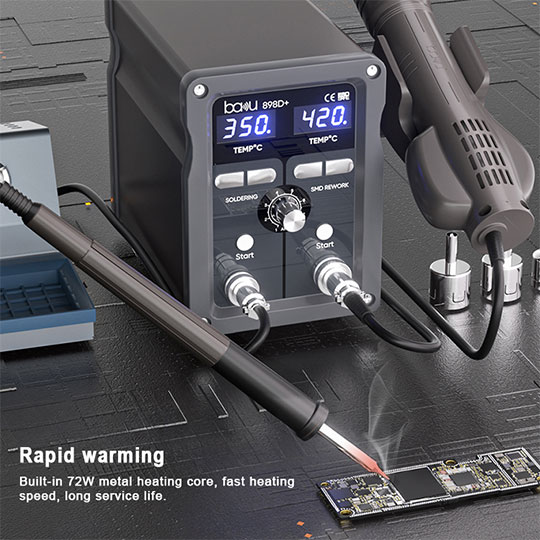
At the core of every electronics workspace is the soldering station itself. This equipment combines a soldering iron, temperature control unit, and sometimes additional features like hot air guns or digital displays. Unlike simple plug-in soldering irons, a station gives you precise control over temperature, which is crucial for delicate components.
Recommended Brands: Hakko, Weller, JBC, and Pace are trusted names in professional electronics labs. Their digital stations provide accuracy, safety, and durability.
The soldering iron is your main interface with the work. It needs to provide steady heat transfer and ergonomic comfort for precise movements.
Modern stations allow easy tip changes and calibration, letting technicians adapt quickly to a wide variety of projects.
Solder is the alloy that fuses metal parts, creating an electrical and mechanical connection. Choosing the right type is essential for reliability.
Thinner solder wires (0.3–0.6mm) are ideal for precision electronics like SMD (Surface-Mount Devices), while thicker wires (0.8–1.0mm) suit larger joints or connectors.
Flux is a chemical cleaning agent that removes oxidation from metal surfaces, allowing solder to bond effectively. Without flux, soldering becomes inconsistent and unreliable.
Applying flux before soldering ensures bright, strong joints with excellent conductivity.
Even the best soldering iron won’t perform well without proper care of its tips. Dirty or oxidized tips result in poor heat transfer and weak joints.
Regular cleaning extends tip life and ensures consistent results, especially during precision soldering sessions.
Reworking or correcting solder joints is a normal part of electronics work. That’s where desoldering tools come in.
Professionals often use a combination of these tools to ensure clean rework without damaging pads or traces.
Precision soldering often involves working with components smaller than a grain of rice. Proper lighting and magnification are crucial.
Good illumination prevents eye strain and allows for meticulous inspection of each connection.
A stable workspace prevents mistakes. Wobbly boards lead to poor solder joints, so a secure fixture is indispensable.
These tools improve precision, especially when working on small or densely populated boards.
Soldering produces fumes that contain flux residues and particulates. In a professional environment, fume extraction is not optional — it’s a safety necessity.
Eye protection and heat-resistant gloves also help prevent burns and accidents during rework or prolonged sessions.
A complete soldering station setup includes several additional tools that streamline workflow and enhance quality:
Each of these accessories contributes to smoother, safer, and more reliable soldering operations.
An efficient workspace promotes accuracy and comfort. Arrange your station so that tools, materials, and safety gear are within easy reach. Use labeled drawers, anti-static mats, and cable organizers to maintain order. A clutter-free environment reduces mistakes and increases productivity — especially when working on intricate circuits.
Mastering precision electronics soldering isn’t just about skill — it’s about preparation, the right equipment, and attention to detail. A well-equipped soldering station transforms difficult, error-prone tasks into efficient, repeatable processes. From temperature-controlled stations to fume extractors and magnifiers, each piece of equipment plays a critical role in ensuring high-quality results.
Whether you’re a professional electronics technician, a hobbyist, or a repair enthusiast, investing in the right soldering station setup will pay off in reliability, safety, and the satisfaction of flawless, shiny solder joints. In the world of precision electronics, the difference between a good joint and a perfect one often lies in the tools you choose.
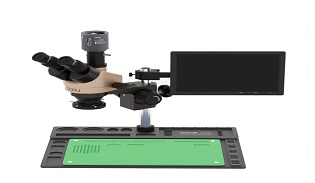
Stereo Microscope Price Guide: What Affects the Cost?
Discover what affects the price of a stereo microscope, including magnification, optical quality, digital features, lighting systems, and build materials. Learn how to choose the right model for electronics repair and precision inspection.
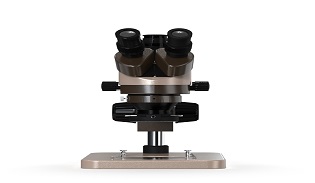
Stereo Microscope Uses: From Science Labs to Electronics Repair
Discover the key applications of stereo microscopes in biology labs, education, micro-soldering, and PCB repair. Learn how 3D magnification improves precision for scientific research and electronics technicians.
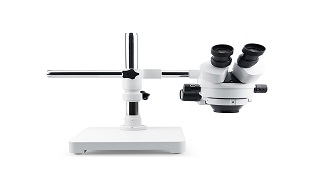
Best Stereo Microscope for PCB, Jewelry, and Laboratory Use
Discover the best stereo microscope for PCB repair, jewelry inspection, and laboratory research. Learn essential features, magnification tips, and top professional recommendations.
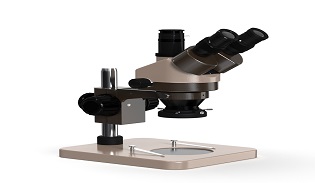
Industrial Stereo Microscope Applications in Electronics and Manufacturing
Discover how industrial stereo microscopes enhance precision in electronics, PCB inspection, micro-assembly, and manufacturing quality control. Learn key applications and benefits.
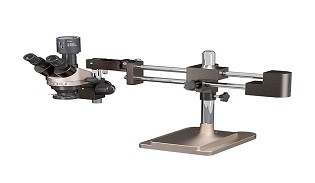
Compound vs Stereo Microscope: What’s the Difference?
Discover the main differences between compound and stereo microscopes, including magnification, applications, and working distance. Choose the right microscope for your needs.
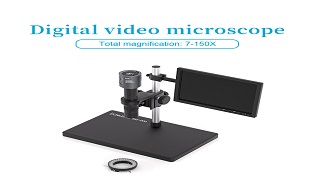
What Is a Stereo Microscope? Key Features and Functions Explained
Learn what a stereo microscope is, how it works, key features, and its uses in electronics repair, manufacturing, and scientific inspection. A complete beginner-friendly guide.

STAY CONNECTED