
As electronic devices become more compact and complex, the components inside them grow smaller and more densely arranged. This shift demands greater precision during repair, manufacturing, and quality inspection. Today, technicians cannot rely on the naked eye or traditional optical tools alone. A digital video microscope has become an essential piece of equipment in electronics inspection, offering excellent clarity, real-time visualization, and professional-level magnification that supports fast and accurate diagnostics.
A digital video microscope is an advanced inspection tool that captures magnified images through a digital camera and displays them on a monitor. Unlike conventional microscopes that require direct viewing through eyepieces, digital video microscopes allow users to observe components on-screen, making the inspection process more comfortable and highly efficient.
This setup reduces eye fatigue, allows hands-free operation, and supports team collaboration. It is especially beneficial for technicians who spend long hours examining micro solder joints, PCB traces, and tiny surface-mount components.
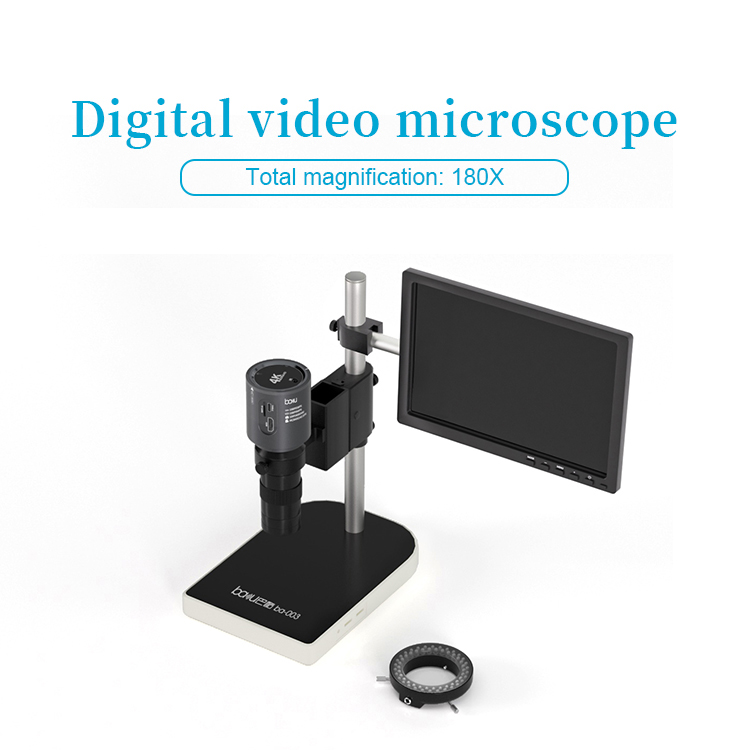
Digital video microscopes often provide high magnification ranges that make it easy to inspect microscopic components. Whether a technician is diagnosing faulty solder joints, analyzing chip pins, or evaluating fine PCB pathways, the microscope delivers sharp, detailed imaging that ensures nothing is overlooked. The ability to zoom deeply without losing image clarity greatly enhances repair accuracy and reduces the chance of errors.
One of the most important features is real-time image transmission to an LCD or HDMI display. This allows the user to see the inspection area in full detail on a large screen, which greatly improves visibility compared to traditional eyepieces. Real-time display also enables group viewing, making digital microscopes ideal for team-based troubleshooting, customer demonstrations, and technical training sessions.
Electronics inspection requires a stable work platform to avoid image shaking and focusing difficulties. Many digital video microscopes use durable alloy bases and reinforced stands that ensure stability even under continuous use. The solid structure minimizes vibration and prevents the microscope from shifting during delicate soldering or inspection tasks. This contributes to more accurate results and reduces technician strain.
Proper lighting is important when inspecting reflective or tiny electronic components. Digital video microscopes typically include adjustable LED illumination around the lens to ensure consistent and shadow-free visibility. Technicians can easily control brightness levels to present the finest details, such as microcracks, oxidation spots, or hidden soldering defects.
Stereo digital microscopes add an extra dimension to inspection work by offering depth perception that standard digital microscopes cannot achieve. This is especially useful for soldering tasks, BGA reballing, and component alignment.
The ability to see height, depth, and spacing clearly helps technicians understand the physical structure of components more accurately. With adjustable magnification, stereo microscopes support both wide-area viewing and ultra-detailed inspection, making them highly versatile across repair and manufacturing environments.
Digital video microscopes make it easy to inspect solder joints, copper traces, vias, and pads. They help detect common issues such as cold soldering, bridging, insufficient solder, and micro-damages.
Tiny components like capacitors, resistors, and IC chips can be evaluated for cracks, misalignment, or manufacturing defects. High magnification ensures accurate diagnosis during both repair and assembly.
Many digital video microscopes support image capture and video recording. This allows companies to document inspection results for quality assurance reports, customer communication, and process tracking.
Because the image is displayed on a screen, instructors can easily guide students or new technicians through inspection procedures. This makes digital microscopes a valuable educational tool.
When selecting a digital microscope for electronics inspection, consider the following:
Digital video microscopes have become indispensable for technicians, manufacturers, and electronics repair professionals. With their high magnification, real-time visualization, enhanced precision, and ergonomic benefits, these devices dramatically improve inspection quality and workflow efficiency.
As electronics continue to advance in complexity, investing in a reliable digital video microscope is one of the most effective ways to upgrade inspection capabilities and ensure consistently high-quality results.
Stereo Microscope Price Guide: What Affects the Cost?
Discover what affects the price of a stereo microscope, including magnification, optical quality, digital features, lighting systems, and build materials. Learn how to choose the right model for electronics repair and precision inspection.
Stereo Microscope Uses: From Science Labs to Electronics Repair
Discover the key applications of stereo microscopes in biology labs, education, micro-soldering, and PCB repair. Learn how 3D magnification improves precision for scientific research and electronics technicians.
Best Stereo Microscope for PCB, Jewelry, and Laboratory Use
Discover the best stereo microscope for PCB repair, jewelry inspection, and laboratory research. Learn essential features, magnification tips, and top professional recommendations.
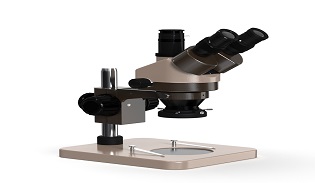
Industrial Stereo Microscope Applications in Electronics and Manufacturing
Discover how industrial stereo microscopes enhance precision in electronics, PCB inspection, micro-assembly, and manufacturing quality control. Learn key applications and benefits.
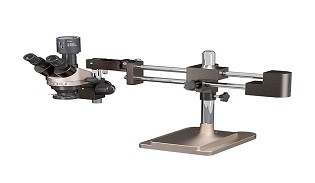
Compound vs Stereo Microscope: What’s the Difference?
Discover the main differences between compound and stereo microscopes, including magnification, applications, and working distance. Choose the right microscope for your needs.
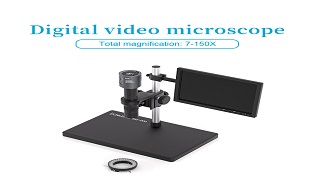
What Is a Stereo Microscope? Key Features and Functions Explained
Learn what a stereo microscope is, how it works, key features, and its uses in electronics repair, manufacturing, and scientific inspection. A complete beginner-friendly guide.

STAY CONNECTED