
Digital microscopes have become essential tools in electronics repair, precision inspection, and small-component manufacturing. Whether you are working on circuit boards, solder joints, or micro-components, choosing the right digital microscope involves balancing magnification, features, budget, and workspace needs. This guide will help you understand pricing factors, key features, and how to select the most suitable model for your professional workflow.
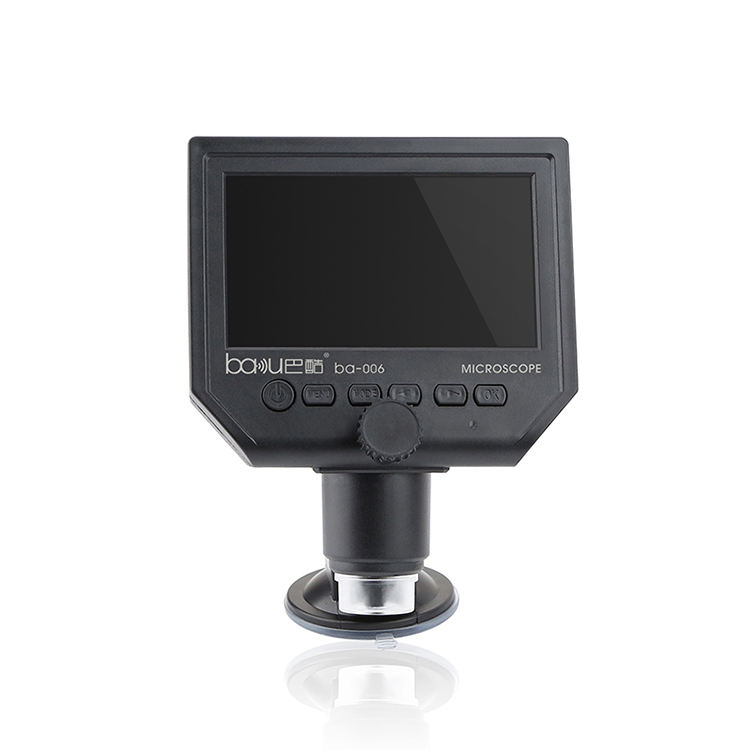
Unlike traditional optical microscopes, digital microscopes provide a live, clear visual output through a built-in screen or external display. This makes them ideal for technicians who need precision, comfort, and stable magnification during long repair sessions.
Stereo digital microscopes, in particular, offer 3D depth perception — an advantage when working with multi-layer PCBs, BGA components, tiny resistors, or micro-cracks. They reduce visual fatigue, improve accuracy, and help technicians work faster and more confidently. For repair shops and production lines, this often translates into higher efficiency and fewer errors.
The price of a digital microscope varies greatly depending on its magnification power, optical system, display type, mechanical stability, and additional features. Below are the most important elements that affect cost.
Magnification is one of the main determinants of price.
Higher magnification requires better lenses and sensors, which increases the price.
Digital microscopes may come with:
Microscopes with multiple output modes and high-definition screens usually fall into higher price tiers.
LED ring lights are common, but the brightness, adjustability, and light quality vary.
Proper illumination is important, especially when observing reflective solder joints or dark PCB surfaces.
The physical construction also affects the price:
A stable stand is essential for high-magnification work, making durable materials and sturdy design worth the investment.
In electronic repair environments, microscopes may be exposed to heat from soldering tools.
Some models include heat-resistant silicone pads, wide temperature tolerance, and reinforced frames — features that add long-term reliability but also raise the price.
Premium microscopes may include:
These features enhance flexibility for technicians who need documentation or high-precision inspection capability.
Although pricing varies by brand and technical specifications, digital microscopes usually fall into these categories:
Microscopes with magnification around 7×–45× are ideal for routine PCB work, basic soldering, and general inspection. They typically come with a simple stand and may or may not include a built-in screen. These models offer a balanced price-to-performance ratio.
Models offering magnification between 100×–180× provide more detail and often include better illumination, sturdy bases, and HDMI display capabilities. They are suitable for technicians handling complex board repairs or micro-components.
Microscopes that reach 400×–600× magnification serve advanced inspection needs, such as micro-welding analysis, chip-level diagnostics, or quality control in production. These units often incorporate premium sensors, high-resolution displays, and precision-built frames.
Higher-end stereo microscopes with trinocular heads or boom-arm mounts offer maximum flexibility for professional repair labs. They support camera integration and allow comfortable long-duration viewing and large-area PCB inspection.
Before buying a digital microscope, consider the following:
A more expensive microscope often provides:
Over time, these benefits can dramatically reduce repair mistakes and increase productivity.
Adjustable LED lighting is essential for consistent, clear visuals. Strong illumination with low glare helps technicians easily identify solder cracks, bridging, and component misalignment.
Choosing the right digital microscope requires understanding your magnification needs, workspace setup, and long-term usage requirements. Whether you’re selecting an entry-level unit for standard electronics repair or investing in a high-magnification model for professional inspection, the right microscope will remarkably enhance precision, reduce errors, and simplify your workflow.
A well-chosen digital microscope is not only a tool — it is an investment in accuracy, efficiency, and long-term success.
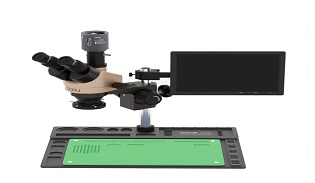
Stereo Microscope Price Guide: What Affects the Cost?
Discover what affects the price of a stereo microscope, including magnification, optical quality, digital features, lighting systems, and build materials. Learn how to choose the right model for electronics repair and precision inspection.
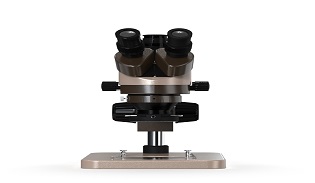
Stereo Microscope Uses: From Science Labs to Electronics Repair
Discover the key applications of stereo microscopes in biology labs, education, micro-soldering, and PCB repair. Learn how 3D magnification improves precision for scientific research and electronics technicians.
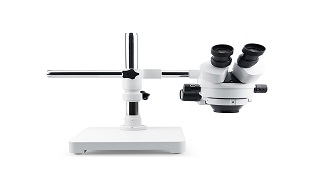
Best Stereo Microscope for PCB, Jewelry, and Laboratory Use
Discover the best stereo microscope for PCB repair, jewelry inspection, and laboratory research. Learn essential features, magnification tips, and top professional recommendations.
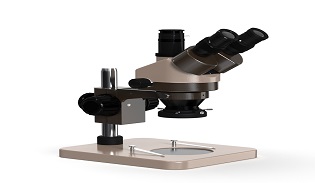
Industrial Stereo Microscope Applications in Electronics and Manufacturing
Discover how industrial stereo microscopes enhance precision in electronics, PCB inspection, micro-assembly, and manufacturing quality control. Learn key applications and benefits.
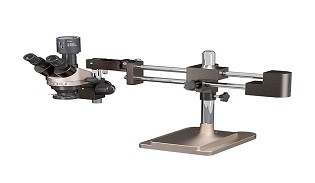
Compound vs Stereo Microscope: What’s the Difference?
Discover the main differences between compound and stereo microscopes, including magnification, applications, and working distance. Choose the right microscope for your needs.
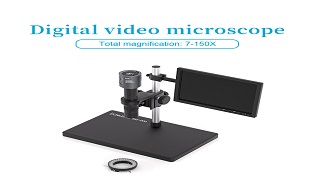
What Is a Stereo Microscope? Key Features and Functions Explained
Learn what a stereo microscope is, how it works, key features, and its uses in electronics repair, manufacturing, and scientific inspection. A complete beginner-friendly guide.

STAY CONNECTED