
Repairing electronics requires a combination of precision, patience, and—most importantly—the right tools. As devices become thinner, smarter, and more complex in 2025, choosing a reliable electronics-repair tool kit has never been more essential. Whether you are repairing smartphones, laptops, gaming consoles, or other smart devices, a well-equipped toolkit ensures accuracy, safety, and efficiency.
This guide shows what to look for in a professional electronics repair tool kit and outlines the must-have components that will help you stay prepared for any job.

Professional BAKU Opening Tool Set
Electronics repair is far more delicate than general mechanical work. Today’s circuit boards are densely packed, components are miniature, and many materials are heat-sensitive or static-sensitive. A professional repair kit ensures that every tool you use is built specifically for small-scale electronic components, offering the precision and control necessary to avoid accidental damage.
A specialized kit also provides added safety benefits, including anti-static protection, heat-resistant materials, and ergonomic designs that support long hours of detailed work.
Quality matters more than ever. Tools need tight tolerances and durable materials to ensure stable performance when working inside compact devices. Premium screwdrivers, tweezers, and cutting tools help prevent stripped screws, bent components, and unnecessary damage.
A dependable electronics-repair kit should cover every essential task, including disassembly, measurement, soldering, and component handling. Look for kits that include screwdrivers, prying tools, tweezers, pliers, multimeters, and soldering equipment. A comprehensive set reduces the need to buy additional tools later.
For soldering and rework tasks, temperature control is critical. Modern devices use sensitive components that can easily fail when exposed to excessive heat. Adjustable soldering irons, hot-air rework stations, and proper insulation help ensure clean, safe repairs.
Repair work often takes hours. Tools with comfortable grips, lightweight bodies, and simple shapes reduce fatigue. Stations that combine multiple functions—such as soldering + hot air—can also save workspace and improve organization.
Electrostatic discharge (ESD) can permanently damage microchips and circuit boards. A professional tool kit should include ESD-safe tweezers, anti-static mats, wrist straps, and insulated tools. These add an extra layer of protection for both the technician and the device.
Designed for miniature screws found in phones, laptops, drones, and controllers. High-quality tips prevent stripping and slipping during disassembly.
Plastic spudgers, pry bars, suction cups, and opening picks help safely separate device housings without scratching or cracking the frame.
Precision tweezers allow the handling of tiny SMD components, wires, and connectors. Anti-magnetic and anti-static options are ideal for circuit work.
Used for trimming wire, removing components, cutting zip ties, and general small-scale cutting tasks.
A must-have for diagnosing voltage, continuity, resistance, and circuit functionality. Accuracy is essential when troubleshooting complex electronics.
Adjustable temperature, fast heating, and stable thermal performance are key features for modern soldering work. Pairing with hot air allows for SMD/BGA rework.
A heat-resistant mat protects the workbench from solder and hot tools, while anti-static mats protect sensitive components during repair.
This includes PCB holders, flux, solder wire, desoldering braids, cleaning sponges, brushes, and UV-curing solder masks. These tools support more advanced repairs and improve workflow efficiency.
A basic but reliable kit will cover most small repairs. Focus on screwdrivers, prying tools, tweezers, and an entry-level soldering iron.
A complete repair solution—including precision hand tools, advanced soldering stations, multimeters, and ESD protection—is essential for daily repair tasks and high device turnover.
Portability matters. Choose compact, lightweight tool kits that include key tools while remaining easy to carry.
With swift innovations in consumer electronics—5G smartphones, foldable screens, high-density chips, and ultra-compact circuit designs—the tools needed for reliable repair work must evolve as well. Modern devices demand greater precision, more advanced rework solutions, and higher safety standards.
Upgrading your tool set ensures you can keep pace with these technological changes, work more efficiently, and deliver higher-quality repairs.
The best tool kit for electronics repair in 2025 is one that balances precision, reliability, and versatility. Look for sets that include high-quality screwdrivers, tweezers, prying tools, cutting tools, diagnostic equipment, and temperature-controlled soldering tools. Whether you’re repairing smartphones, laptops, game consoles, or custom electronics, a well-equipped kit enables you to work faster, safer, and with complete confidence.
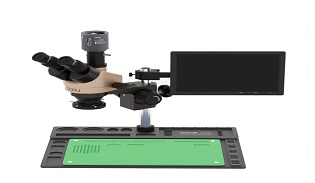
Stereo Microscope Price Guide: What Affects the Cost?
Discover what affects the price of a stereo microscope, including magnification, optical quality, digital features, lighting systems, and build materials. Learn how to choose the right model for electronics repair and precision inspection.
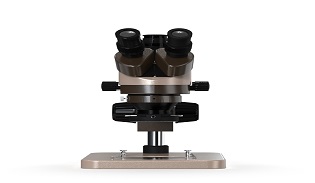
Stereo Microscope Uses: From Science Labs to Electronics Repair
Discover the key applications of stereo microscopes in biology labs, education, micro-soldering, and PCB repair. Learn how 3D magnification improves precision for scientific research and electronics technicians.
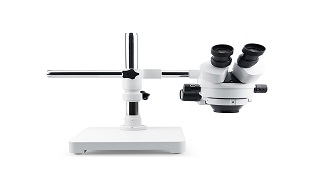
Best Stereo Microscope for PCB, Jewelry, and Laboratory Use
Discover the best stereo microscope for PCB repair, jewelry inspection, and laboratory research. Learn essential features, magnification tips, and top professional recommendations.
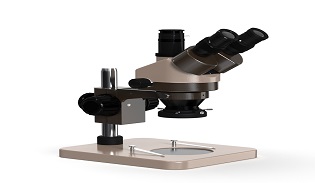
Industrial Stereo Microscope Applications in Electronics and Manufacturing
Discover how industrial stereo microscopes enhance precision in electronics, PCB inspection, micro-assembly, and manufacturing quality control. Learn key applications and benefits.
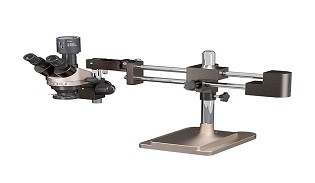
Compound vs Stereo Microscope: What’s the Difference?
Discover the main differences between compound and stereo microscopes, including magnification, applications, and working distance. Choose the right microscope for your needs.
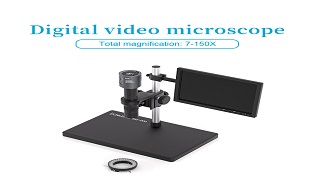
What Is a Stereo Microscope? Key Features and Functions Explained
Learn what a stereo microscope is, how it works, key features, and its uses in electronics repair, manufacturing, and scientific inspection. A complete beginner-friendly guide.

STAY CONNECTED