
Stereo microscopes have become essential tools across various technical fields, especially in PCB repair, jewelry inspection, and laboratory research. Their ability to provide a three-dimensional view, combined with precise magnification, makes them invaluable for examining small parts and fine structures. If you are looking for a reliable stereo microscope for professional or industrial use, understanding the features and benefits of modern stereo digital microscopes will help you choose the best option.
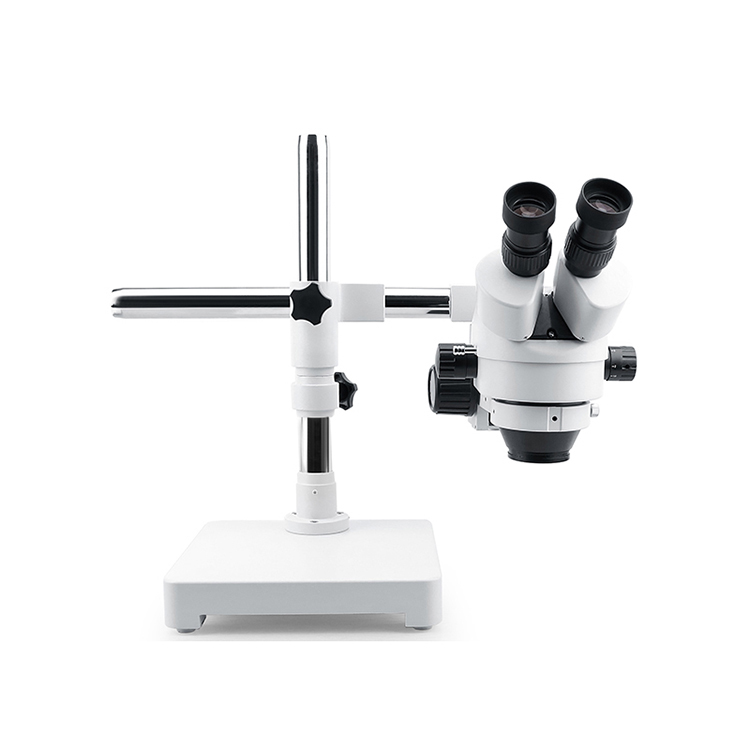
7-45x Binocular Stereo Microscope
Unlike traditional monocular microscopes, stereo microscopes present a true 3D view of the subject. This depth perception is key when handling complex components such as microchips, gemstones, or biological samples. Whether you are soldering a delicate PCB or analyzing the facets of a gemstone, the 3D visualization allows you to work more accurately and efficiently.
Different tasks require different levels of magnification. Stereo digital microscopes typically offer a wide zoom range, enabling users to shift smoothly between low magnification for broad inspections and high magnification for ultra-fine details. This versatility is especially useful for electronics repair, gemology, and laboratory routine tasks.
Modern stereo digital microscopes often come with integrated high-resolution screens or support for USB and HDMI output. This allows users to capture images, record videos, or project the live view onto a monitor. The capability to save and share visual evidence is particularly helpful for training, reporting, or remote collaboration.
A wide magnification range—such as 7× to 150×—offers flexibility for different inspection needs. PCB technicians may need lower magnification to scan board layouts, while jewelers or laboratory technicians may require higher magnification to analyze microdefects or structural details.
Proper illumination is quite important for accurate inspection. Look for microscopes equipped with bright, adjustable LED lights. Consistent lighting helps enhance contrast and reveal hidden imperfections on electronics, gemstones, or laboratory samples.
A stable stand with adjustable height and angle dramatically improves the user experience. Boom-arm or articulating stands provide greater flexibility, allowing users to position the microscope for soldering work, stone evaluation, or complex laboratory tasks. A suitable working distance also ensures enough room to operate tools under the microscope.
Industrial-grade construction ensures long-term durability, especially for professional environments where the microscope is used daily. A stable base reduces vibration, maintaining crisp focus even at high magnification settings.
Compact, lightweight models with built-in LCD screens are ideal for technicians who need mobility. These microscopes typically offer high magnification and digital imaging, making them suitable for on-site electronics repairs or quick inspections.
These versatile microscopes provide a wide zoom range and a stable working platform. They are popular in PCB repair facilities due to their adjustable design, allowing technicians to easily work on larger boards or assemblies.
Gemology microscopes are optimized for clarity, illumination, and precision. They typically include top and bottom lighting, tilt functionality, and high-resolution imaging, making them excellent for jewelry professionals who need to evaluate brilliance, cut, and inclusions.
Advanced digital models combine optical zoom with powerful imaging sensors. These are ideal for laboratories that require detailed documentation, measurement capabilities, and consistent imaging quality for scientific analysis.
Today’s stereo digital microscopes integrate superior optical performance with user-friendly digital functions. Their combination of flexible magnification, precise 3D imaging, durable construction, and advanced lighting technology makes them suitable for a wide range of professional applications. Whether you are repairing microelectronics, assessing gemstones, or conducting laboratory studies, a high-quality stereo microscope enhances accuracy, improves workflow efficiency, and ensures consistently reliable results.
Choosing the best stereo microscope depends on your specific needs—whether it’s PCB repair, jewelry inspection, or scientific research. Look for models that offer a balance of magnification range, stable construction, strong lighting, and digital imaging capabilities. A reliable stereo microscope is more than a tool; it is a long-term investment that directly improves productivity and precision in any technical environment.
Stereo Microscope Price Guide: What Affects the Cost?
Discover what affects the price of a stereo microscope, including magnification, optical quality, digital features, lighting systems, and build materials. Learn how to choose the right model for electronics repair and precision inspection.
Stereo Microscope Uses: From Science Labs to Electronics Repair
Discover the key applications of stereo microscopes in biology labs, education, micro-soldering, and PCB repair. Learn how 3D magnification improves precision for scientific research and electronics technicians.
Best Stereo Microscope for PCB, Jewelry, and Laboratory Use
Discover the best stereo microscope for PCB repair, jewelry inspection, and laboratory research. Learn essential features, magnification tips, and top professional recommendations.
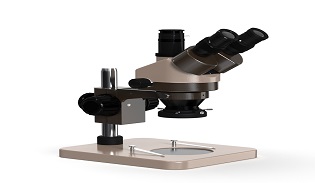
Industrial Stereo Microscope Applications in Electronics and Manufacturing
Discover how industrial stereo microscopes enhance precision in electronics, PCB inspection, micro-assembly, and manufacturing quality control. Learn key applications and benefits.
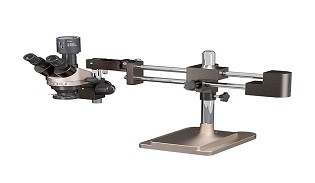
Compound vs Stereo Microscope: What’s the Difference?
Discover the main differences between compound and stereo microscopes, including magnification, applications, and working distance. Choose the right microscope for your needs.
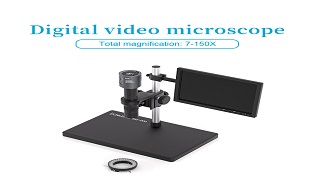
What Is a Stereo Microscope? Key Features and Functions Explained
Learn what a stereo microscope is, how it works, key features, and its uses in electronics repair, manufacturing, and scientific inspection. A complete beginner-friendly guide.

STAY CONNECTED