
Since its inception in the late 19th century, soldering has formed the very backbone of electrical and electronic assembly. Early experimenters discovered that a low-melting alloy could reliably join copper wires for telegraph and lamp circuits; by the mid-20th century, as vacuum tubes gave way to transistors and printed circuit boards, the craft of soldering evolved into a precision discipline.
Today’s micro-electronics-featuring millimeter surface-mount devices, complex multi-layer PCBs, and lead-free alloys-demands tools that combine exquisite control, stability, and repeatability. In this historical continuum, the right soldering implements not only enable functional connectivity but also ensure long-term reliability across consumer, industrial, and aerospace applications.
Choosing the best soldering tools for electronics requires careful consideration of key factors such as temperature accuracy, tip variety, ergonomics, safety, and compatibility with modern processes like lead-free alloys and advanced flux chemistries. With over two decades of expertise in precision repair and assembly, Baku offers a complete range of tools and accessories designed to meet the growing needs of both electronics professionals and hobbyists.
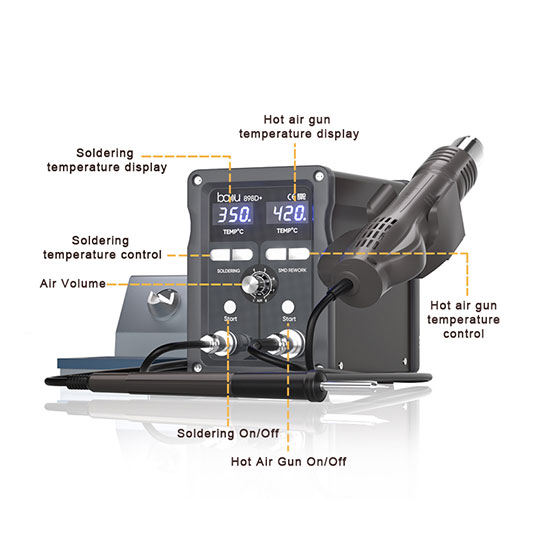
Our flagship T12 soldering station and advanced rework stations combine rapid-heat ceramic elements with °F / °C, cold/hot air conversion, digital temperature correction and sleep function, making it more convenient to use. Quick-change tip adaptors support all T12-series chisel, bevel, and conical tips.
Surface-mount repairs call for precise, non-contact heating. Our hot-air stations feature digital airflow and temperature adjustment, uniform nozzle designs for consistent heat distribution, and, using advanced heating technology, can quickly reach the required working temperature and greatly improve the desoldering efficiency. Pre-heater plates further ensure uniform board warming, minimizing thermal shock on multi-layer assemblies.
Cutting Pliers: Made of chrome vanadium steel, it has excellent structural strength and wear resistance. Available in a variety of sizes, and have a versatile design, suitable for a variety of cutting tasks from electronic components to metal parts.
Precision Tweezers: Multiple tip geometries (straight, curved, angled) in stainless steel or ceramic allow secure handling of sub-millimeter parts. With high-precision processing technology, the clamping position is extremely accurate, and tiny components can be stably clamped.
No-clean and lead-free soldering fluxes, formulated for optimal wetting and minimal residue, pair seamlessly with Baku’s rosin core solder wire. For stencil or syringe applications, solder paste and UV-curable solder mask inks deliver rapid curing and robust board protection against oxidation and bridging.
Investing in the best soldering tools for electronics, as exemplified by our engineered solutions, yields immediate benefits in joint quality, production throughput, and first-pass yield. Precise temperature control prevents cold joints and substrate damage, while ergonomic designs reduce operator fatigue and error rates. Complementary flux chemistries and consumables ensure environmental compliance without sacrificing performance.
In conclusion, the fusion of soldering and electronics requires tools that combine scientific precision with practical durability. By choosing Baku’s top-tier soldering stations, rework systems, precision hand tools, and premium consumables, engineers and technicians can confidently tackle the challenges of today’s miniaturized, lead-free assemblies—ensuring reliable connections that power the innovations of tomorrow.
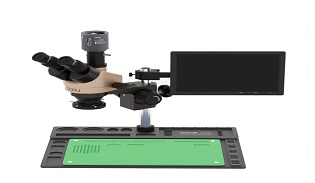
Stereo Microscope Price Guide: What Affects the Cost?
Discover what affects the price of a stereo microscope, including magnification, optical quality, digital features, lighting systems, and build materials. Learn how to choose the right model for electronics repair and precision inspection.
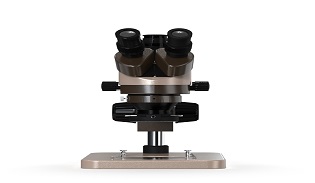
Stereo Microscope Uses: From Science Labs to Electronics Repair
Discover the key applications of stereo microscopes in biology labs, education, micro-soldering, and PCB repair. Learn how 3D magnification improves precision for scientific research and electronics technicians.
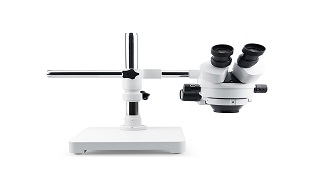
Best Stereo Microscope for PCB, Jewelry, and Laboratory Use
Discover the best stereo microscope for PCB repair, jewelry inspection, and laboratory research. Learn essential features, magnification tips, and top professional recommendations.
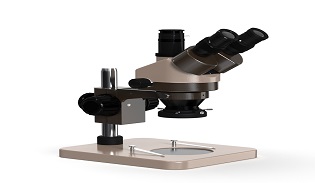
Industrial Stereo Microscope Applications in Electronics and Manufacturing
Discover how industrial stereo microscopes enhance precision in electronics, PCB inspection, micro-assembly, and manufacturing quality control. Learn key applications and benefits.
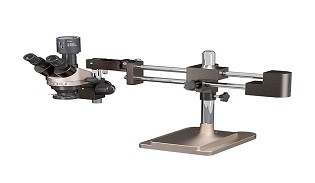
Compound vs Stereo Microscope: What’s the Difference?
Discover the main differences between compound and stereo microscopes, including magnification, applications, and working distance. Choose the right microscope for your needs.
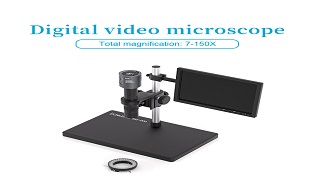
What Is a Stereo Microscope? Key Features and Functions Explained
Learn what a stereo microscope is, how it works, key features, and its uses in electronics repair, manufacturing, and scientific inspection. A complete beginner-friendly guide.

STAY CONNECTED