
When working with printed circuit boards (PCBs), precision and clarity are essential. Whether you are repairing smartphones, inspecting solder joints, or performing professional electronics assembly, a high-quality digital microscope can dramatically improve accuracy and efficiency. In this article, we explore what makes a digital microscope ideal for PCB inspection, examine the strengths of stereo digital microscopes, and point out the key features you should consider before purchasing one.
Electronic components are becoming increasingly small and complex. Defects such as micro-cracks, solder bridges, and cold joints are often invisible to the naked eye. A digital microscope provides high-resolution imaging that brings these details into sharp focus, enabling technicians to quickly identify and repair issues.
For soldering, reballing, or BGA rework, depth perception is key. Stereo microscopes offer a true 3D viewing experience, allowing users to see the height and shape of solder joints with accuracy. This makes it easier to judge component positioning, solder flow, and alignment.
Different tasks require different levels of magnification. A good digital microscope should allow you to switch easily between low magnification for a general board overview and high magnification for micro-soldering. Many advanced stereo digital microscopes offer ranges from 7× up to 150× or even 600×, making them suitable for both inspection and precision work.
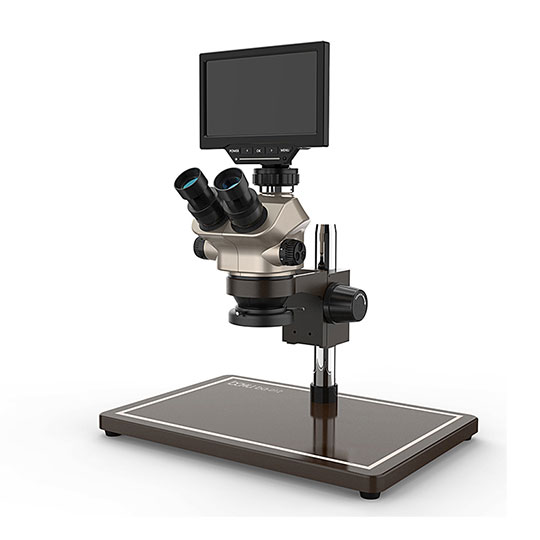
7-50x Stereoscopic Microscope BA-012
Ergonomics matter, especially for technicians who spend long hours on detailed repairs. A stable metal base, adjustable stand, and comfortable viewing angle help reduce fatigue and maintain consistent soldering performance. Stability is also essential for avoiding vibrations when working at high magnification levels.
LED illumination is essential for electronics work. It reduces shadows, improves contrast, and emphasizes surface defects. High-brightness ring lights or integrated LED bases provide even lighting across the work area, making it easier to inspect solder joints and small components.
Modern microscopes often include HDMI or USB output, allowing you to display magnified images on an external monitor. This is especially useful for repair training, recording inspection results, or collaborating with others. Some models even include built-in LCD screens for direct viewing, making them highly convenient for technicians.
Stereo digital microscopes combine optical clarity with digital imaging, making them ideal tools for electronics and PCB inspection. Key advantages include:
These features make stereo digital microscopes popular in professional repair centers and electronics manufacturing environments.
When choosing a digital microscope, it helps to understand the key differences between the main categories available.
These are preferred for soldering and hands-on work. Their strong depth perception allows technicians to accurately judge angles and distances. They are ideal for tasks requiring manual precision.
These models feature built-in screens and offer high magnification. They are excellent for inspection, documentation, and detailed visual analysis. Some models reach 600× magnification, making them suitable for advanced fault detection.
A trinocular head allows you to connect a camera while still viewing through the eyepieces. This is beneficial for labs, training centers, and technicians who need to record or stream their work.
These compact tools connect to computers and are useful for quick inspections or field work. While they lack the depth perception of stereo microscopes, they are budget-friendly and convenient for basic tasks.
Here are several factors to consider when selecting a microscope for electronics work:
A high-quality digital microscope is one of the most valuable tools in electronics repair and PCB inspection. Whether you choose a stereo digital microscope for its depth perception or a high-magnification digital model for detailed analysis, the right microscope will improve accuracy, reduce eye strain, and advance your overall workflow. As PCBs continue to evolve with smaller and denser components, investing in a reliable, well-designed digital microscope has become essential for both professionals and hobbyists.
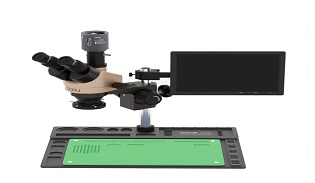
Stereo Microscope Price Guide: What Affects the Cost?
Discover what affects the price of a stereo microscope, including magnification, optical quality, digital features, lighting systems, and build materials. Learn how to choose the right model for electronics repair and precision inspection.
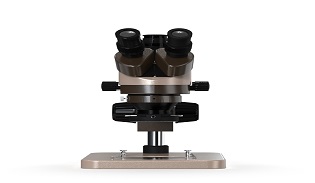
Stereo Microscope Uses: From Science Labs to Electronics Repair
Discover the key applications of stereo microscopes in biology labs, education, micro-soldering, and PCB repair. Learn how 3D magnification improves precision for scientific research and electronics technicians.
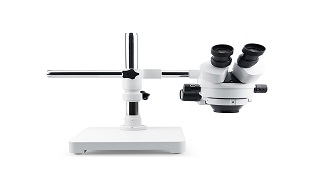
Best Stereo Microscope for PCB, Jewelry, and Laboratory Use
Discover the best stereo microscope for PCB repair, jewelry inspection, and laboratory research. Learn essential features, magnification tips, and top professional recommendations.
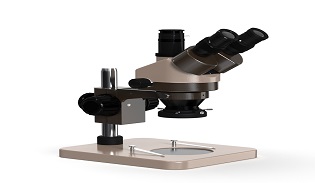
Industrial Stereo Microscope Applications in Electronics and Manufacturing
Discover how industrial stereo microscopes enhance precision in electronics, PCB inspection, micro-assembly, and manufacturing quality control. Learn key applications and benefits.
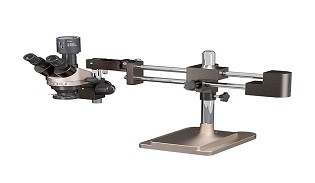
Compound vs Stereo Microscope: What’s the Difference?
Discover the main differences between compound and stereo microscopes, including magnification, applications, and working distance. Choose the right microscope for your needs.
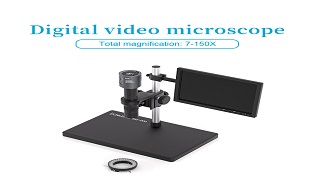
What Is a Stereo Microscope? Key Features and Functions Explained
Learn what a stereo microscope is, how it works, key features, and its uses in electronics repair, manufacturing, and scientific inspection. A complete beginner-friendly guide.

STAY CONNECTED