
In today’s modern learning environment, hands-on exploration has become essential for student engagement. Whether in science laboratories, STEM programs, or technology classrooms, digital microscopes play an increasingly key role. They help students visualize tiny structures in real time, record observations, and share findings easily. By combining high-resolution imaging with digital convenience, these microscopes are transforming the way teachers deliver lessons and how students participate in scientific discovery.
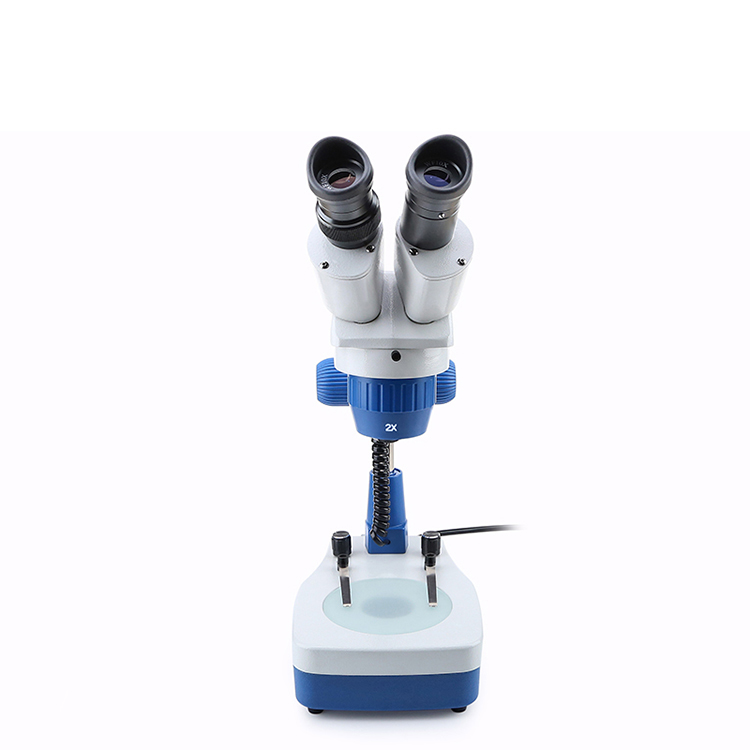
Selecting the right digital microscope for educational use requires attention to features that enhance teaching efficiency and student interaction.
A wide and flexible magnification range is important for examining various subjects—such as plant cells, fibers, insects, or small mechanical parts. Classrooms benefit from microscopes that allow both low-power and high-power observation.
Clear, sharp, high-resolution imaging is essential. Students need to be able to detect fine details and distinguish colors accurately. A microscope with a quality sensor ensures that both still images and live videos appear crisp.
Digital microscopes that can connect to HDMI or USB make it easy to project images onto a classroom display. This allows teachers to demonstrate concepts to the entire class at once and encourages collaborative learning.
In school environments, equipment must withstand frequent handling. A stable stand, durable materials, and adjustable working distance help extend the microscope’s lifespan and ensure ease of use for students of different ages.
Compact designs with intuitive controls are ideal for classrooms, especially when equipment needs to be shared between different classes or departments. A built-in screen also helps eliminate additional monitors.
Stereo digital microscopes, such as the models commonly used in electronics repair and scientific labs, offer several advantages that also apply perfectly to education:
Many models include integrated screens with bright, clear displays. This makes them convenient for group demonstrations and eliminates external devices.
A broad zoom range—often from 7× to over 50×—allows students to examine a large variety of specimens. Advanced models may even reach magnifications of 180× or beyond, supporting more specialized learning activities.
Connection options like HDMI, USB, or memory card storage provide flexibility for saving images, recording videos, and sharing content.
These microscopes are designed for professional use, meaning they are stable, long-lasting, and able to operate under different classroom conditions.
Stereo imaging provides a three-dimensional view, which helps students better understand the structure and spatial relationship of the objects they observe.
These models offer wide magnification ranges and the ability to attach external cameras. They are excellent for teachers who want to record lessons or project live images.
Microscopes equipped with built-in screens simplify setup and allow students to gather around and observe at the same time. They are especially useful for elementary and middle school science activities.
With magnifications up to 600×, these compact models are ideal for hands-on exploration and individual use. Their lightweight design makes them easy to share between different classrooms.
For advanced STEM courses, high-power video microscopes allow students to inspect sensitive materials such as microchips, sensors, or biological specimens with exceptional clarity.
Digital displays make microscopic observation more accessible. Instead of squinting through eyepieces, students can comfortably view details on a large screen.
Teachers can guide discussions while projecting live images. Students can ask questions, make predictions, and analyze structures together.
Whether the lesson involves biology, physics, electronics, or environmental science, digital microscopes allow students to interact with real-world materials. This supports project-based learning and scientific inquiry.
The ability to capture images and videos makes it easier for students to document experiments, complete lab reports, and present findings during group projects.
To keep microscopes in good condition for long-term use:
The best digital microscope for classroom and educational use is one that combines clarity, durability, and ease of operation. Modern stereo digital microscopes, especially those offering HD screens, multiple connectivity options, and flexible magnification, provide exceptional value for schools. They make scientific exploration more interactive, allow teachers to demonstrate complex concepts effortlessly, and inspire students to develop curiosity and confidence in STEM learning.
When equipped with the right digital microscope, any classroom can turn into an exciting, hands-on discovery environment where students gain a deeper understanding and long-lasting scientific interest.
Stereo Microscope Price Guide: What Affects the Cost?
Discover what affects the price of a stereo microscope, including magnification, optical quality, digital features, lighting systems, and build materials. Learn how to choose the right model for electronics repair and precision inspection.
Stereo Microscope Uses: From Science Labs to Electronics Repair
Discover the key applications of stereo microscopes in biology labs, education, micro-soldering, and PCB repair. Learn how 3D magnification improves precision for scientific research and electronics technicians.
Best Stereo Microscope for PCB, Jewelry, and Laboratory Use
Discover the best stereo microscope for PCB repair, jewelry inspection, and laboratory research. Learn essential features, magnification tips, and top professional recommendations.
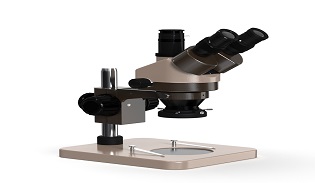
Industrial Stereo Microscope Applications in Electronics and Manufacturing
Discover how industrial stereo microscopes enhance precision in electronics, PCB inspection, micro-assembly, and manufacturing quality control. Learn key applications and benefits.
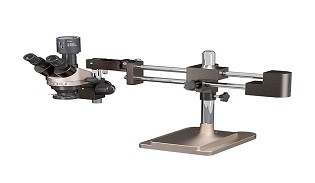
Compound vs Stereo Microscope: What’s the Difference?
Discover the main differences between compound and stereo microscopes, including magnification, applications, and working distance. Choose the right microscope for your needs.
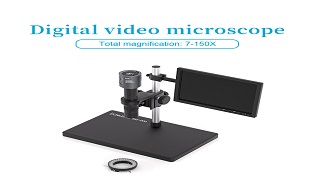
What Is a Stereo Microscope? Key Features and Functions Explained
Learn what a stereo microscope is, how it works, key features, and its uses in electronics repair, manufacturing, and scientific inspection. A complete beginner-friendly guide.

STAY CONNECTED